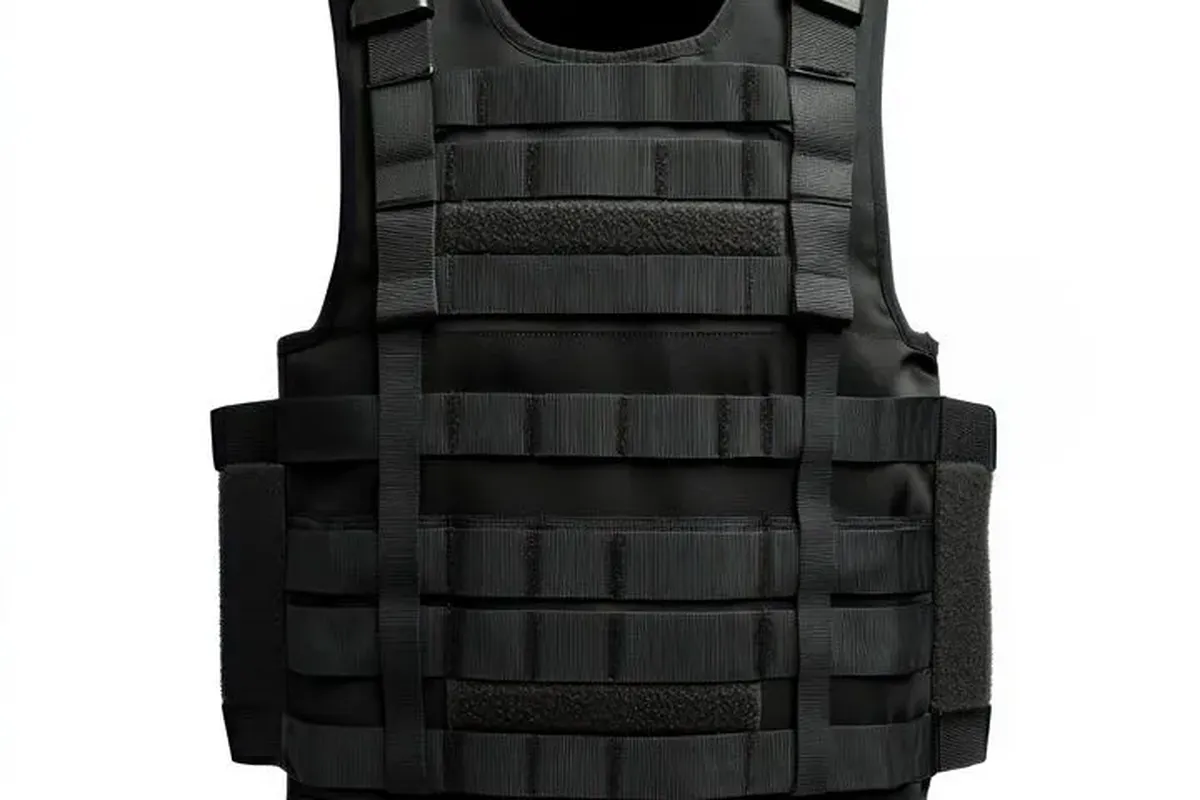
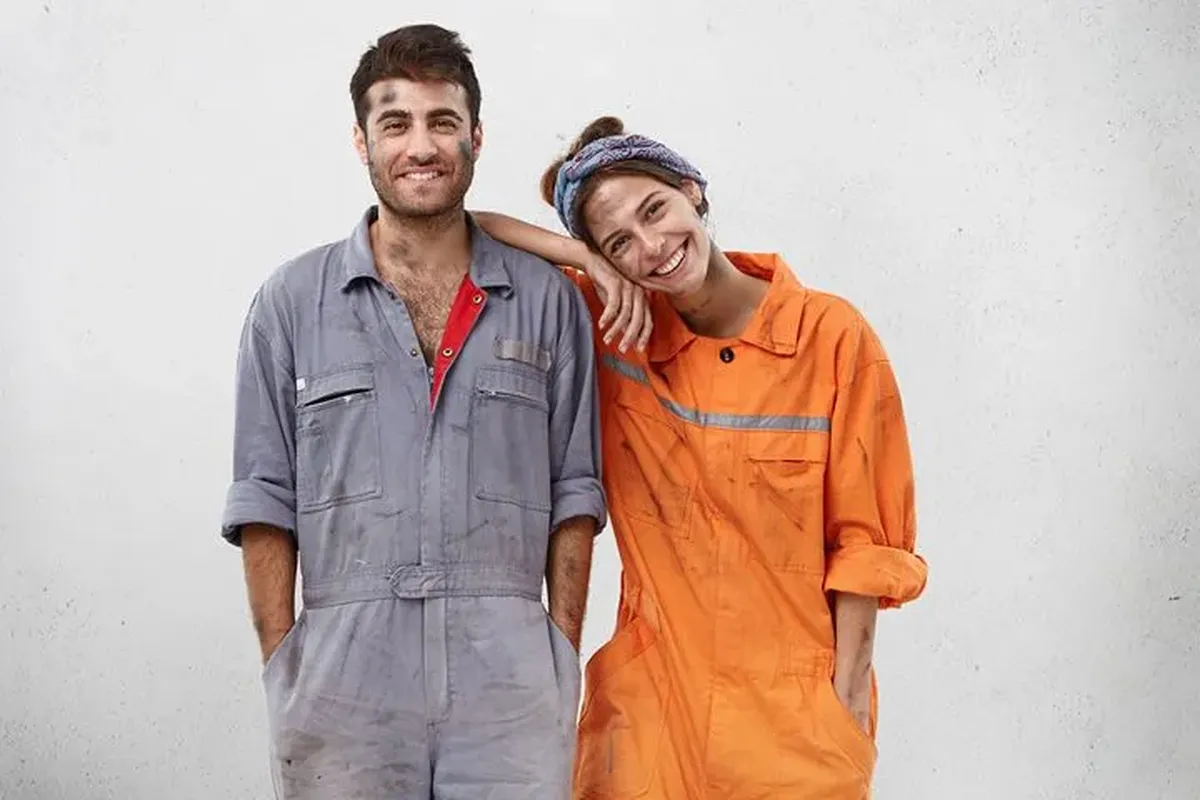
Protective clothing covers every garment worn specifically to protect the wearer from a workplace or personal safety hazard — from a stab vest for a security operative to a chainsaw trouser for a forestry worker, a flame-resistant coverall for a welder, or hi-vis for a road worker. This guide maps the full landscape of protective clothing available in Ireland by hazard type, with links to detailed guides on each category.

The Five Hazard Categories of Protective Clothing
All protective clothing can be understood through the hazard it addresses. Irish workplaces typically involve one or more of the following categories:
| Hazard Category | Protective Clothing Type | Key CE Standard |
|---|---|---|
| Physical / mechanical | Stab vests, cut-resistant clothing, chainsaw trousers, body armour, knee pads | EN 388, EN ISO 11393, HOSDB KR/SP |
| Thermal / fire | Flame-resistant coveralls, welding overalls, arc flash suits, FR lab coats | EN ISO 11612, EN ISO 11611, EN IEC 61482-2 |
| Chemical | Chemical resistant coveralls, acid aprons, disposable coveralls | EN 14605, EN 13982, EN 13034 |
| Visibility | Hi-vis vests, jackets, coveralls, trousers | EN ISO 20471 |
| Weather / rain | Waterproof coveralls, waterproof jackets | EN 343 |
Personal Protection — Stab, Cut and Ballistic
Personal protection clothing addresses threats from physical violence, cutting tools or sharp materials. This category includes body armour for security and personal protection, stab-resistant vests for door staff and security guards, and cut-resistant clothing for food processing, glass handling and metalwork.
| Garment | Hazard | Guide |
|---|---|---|
| Body armour | Ballistic threats | Body Armour Ireland |
| Stab vests | Knife and spike threats | Stab Vests Ireland |
| Stab-resistant clothing | Covert personal protection | Stab-Proof Clothing |
| Cut-resistant clothing | Blades, knives, sharp materials | Cut Resistant Clothing |
Industrial PPE — Thermal and Chemical Protection
Industrial protective clothing addresses the thermal, chemical and mechanical hazards found in manufacturing, construction, utilities and agricultural environments. This is the largest category of protective clothing used in Irish workplaces.
| Garment | Hazard | Guide |
|---|---|---|
| Welding overalls | Spatter, arc, radiant heat | Welding Overalls Ireland |
| Flame-resistant coveralls | Flash fire, flame | FR Coveralls Ireland |
| Arc flash coveralls | Electrical arc flash | Arc Flash Coveralls |
| Disposable coveralls | Chemical, particle, asbestos | Disposable Coveralls |
| Waterproof coveralls | Rain and foul weather | Waterproof Coveralls |
| Chainsaw trousers | Chainsaw contact | Chainsaw Trousers Ireland |
Safety Clothing — Visibility and Construction
Safety clothing in the visibility and construction context ensures workers are identifiable in environments where vehicle or machinery contact is a risk.
| Garment | Hazard | Guide |
|---|---|---|
| Hi-vis vests and jackets | Being struck by vehicles | Hi-Vis Clothing Ireland |
| Hi-vis coveralls | Visibility + weather protection | Hi-Vis Coveralls Ireland |
| Construction site PPE | Multiple site hazards | Construction Safety Clothing |
| Security clothing | Violence, visibility | Security Clothing Ireland |
The Legal Framework for Protective Clothing in Ireland
Under the Safety, Health and Welfare at Work Act 2005, Irish employers must identify hazards, assess risks, and control those risks — which includes providing appropriate PPE including protective clothing where other control measures are insufficient. The General Application Regulations 2007 set out specific PPE requirements. EU Regulation 2016/425 defines the requirements for PPE placed on the EU market, including CE marking obligations. All PPE used in the EU must be CE marked and meet the relevant EN standard for the protection it claims to provide. Non-CE protective clothing — including counterfeit or uncertified products — cannot be relied upon as PPE in Irish workplaces.
Frequently Asked Questions
Physical protection (stab vests, cut-resistant, chainsaw, body armour), thermal protection (FR, arc flash, welding), chemical protection (chemical-resistant, disposable), visibility (hi-vis), and weather protection (waterproof). Most workplaces require protection against more than one hazard category.
Start with a workplace risk assessment to identify specific hazards. Match protective clothing to the hazard using the relevant CE standard. Where multiple hazards exist, multi-norm certified garments or layering of specific PPE may be required. The HSA provides risk assessment guidance for Irish employers.
Irish employers must provide appropriate PPE including protective clothing free of charge to employees under the Safety, Health and Welfare at Work Act 2005. Self-employed contractors have a duty of care to provide this protection for themselves.
BodyArmour.ie
Ireland's independent guide to protective clothing and PPE. We cover personal protection, industrial workwear and safety clothing to help Irish buyers make informed decisions.