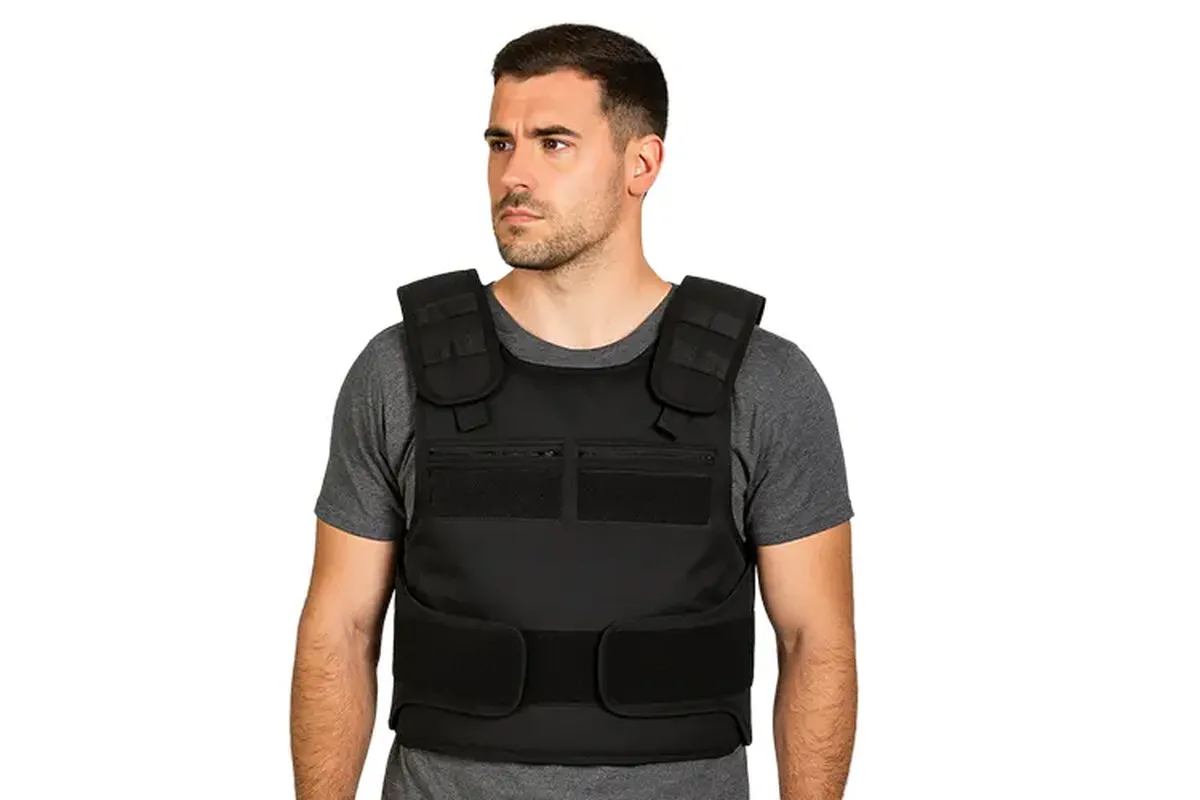
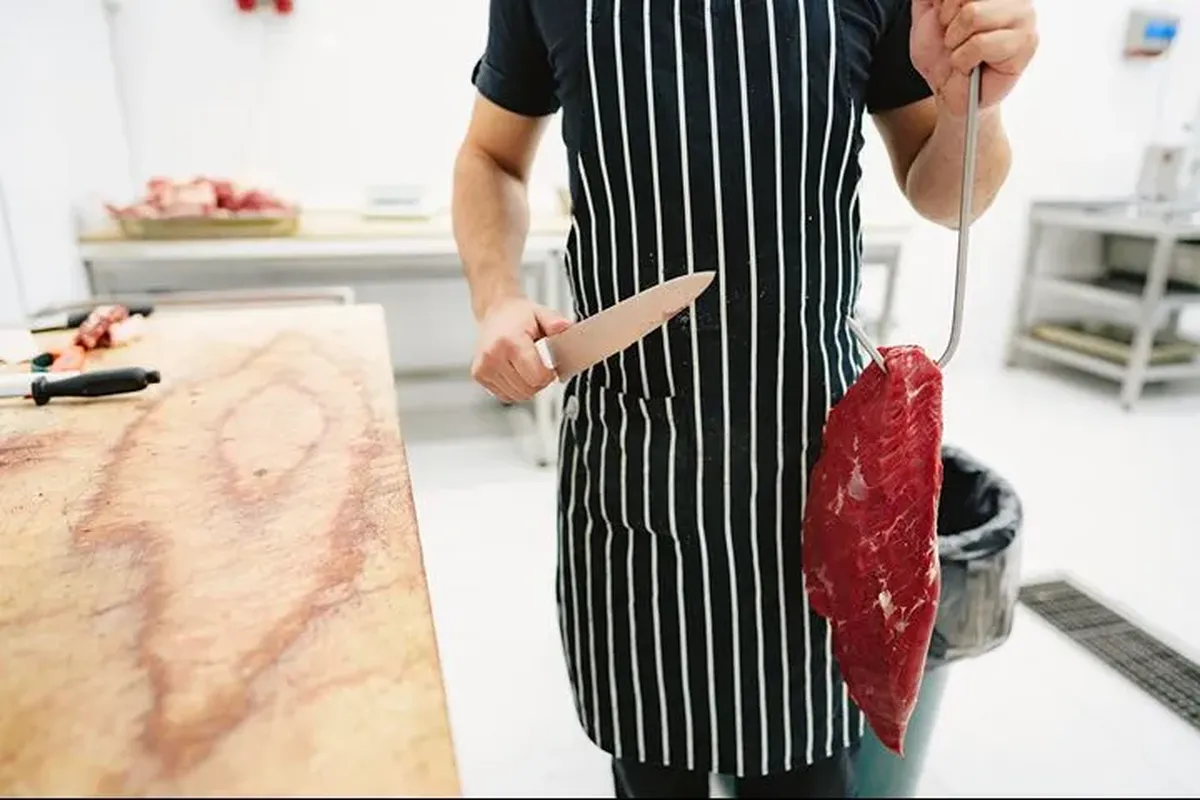
Cut-resistant clothing is essential PPE across the Irish food processing, glass handling, metalworking and security sectors. Understanding what EN 388 ratings mean and how to match protection level to the specific cutting hazard in your workplace is the key to making the right purchase decision.
Types of Cut Resistant Clothing
| Garment | Body Area Protected | Primary Application |
|---|---|---|
| Cut-resistant gloves | Hands and fingers | Food processing, glass, metal, butchery |
| Cut-resistant arm guards / sleeves | Forearms and wrists | Glass cutting, fish processing, meat cutting |
| Cut-resistant apron | Front torso and upper legs | Butchery, meat processing, industrial cutting |
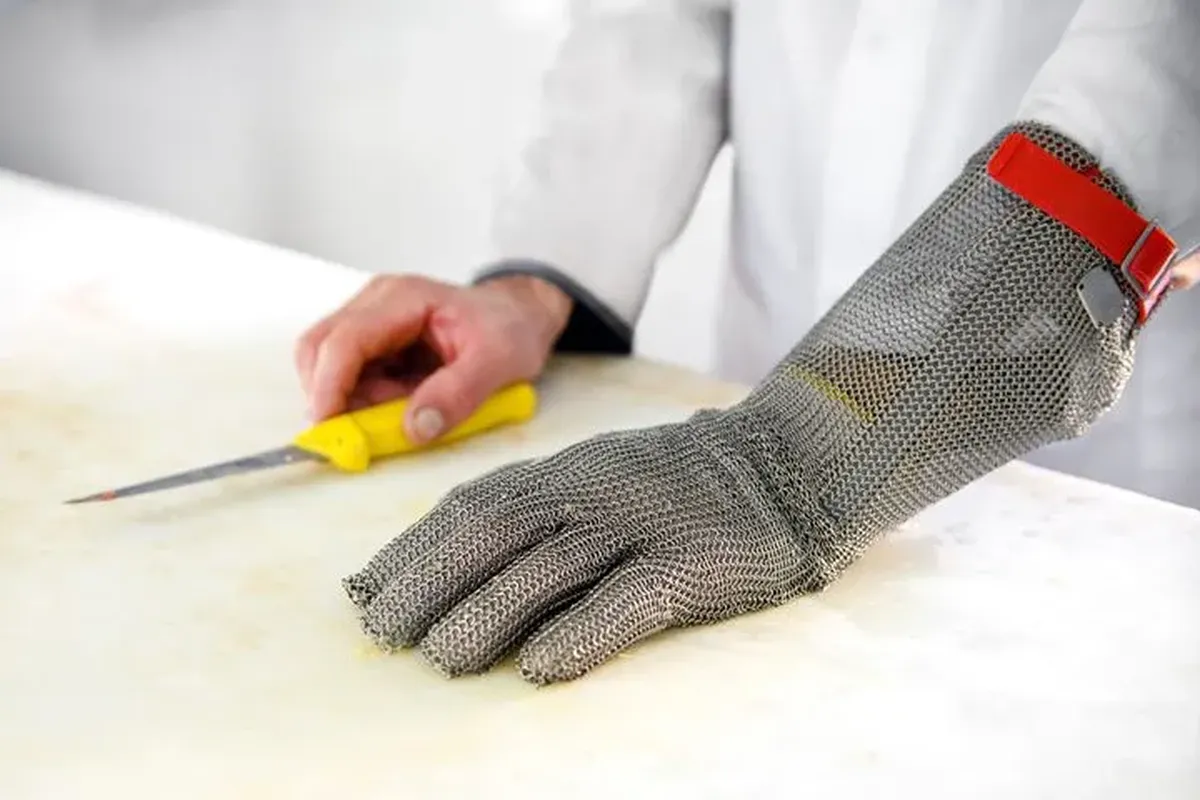
| Chainmail gloves | Hands | Butchery, heavy-duty food processing |
| Cut-resistant jacket | Arms and torso | Security search duties, industrial applications |
Understanding EN 388 Cut Ratings
EN 388 is the European standard for protective gloves against mechanical risks. The standard rates gloves on four properties displayed as a four-digit code on the label:
| Letter | Property | Scale | What It Means |
|---|---|---|---|
| A | Abrasion resistance | 1–4 | How many cycles before wear-through |
| B | Blade cut resistance (Coup test) | 1–5 | Number of cuts before blade penetrates |
| C | Tear resistance | 1–4 | Force needed to tear the glove |
| D | Puncture resistance | 1–4 | Force needed to puncture the material |
| E | ISO 13997 cut resistance | A–F | More accurate cut test — F is highest |
For cut-resistant applications, the B (Coup test) and E (ISO 13997) ratings are the most relevant. The E rating using the ISO 13997 test method is more reliable and is increasingly the key specification to look for in modern cut-resistant gloves.
Cut Protection Materials
Several materials are used in cut-resistant clothing, each with different performance characteristics:
| Material | Cut Performance | Comfort | Common Use |
|---|---|---|---|
| Stainless steel chainmail | Maximum cut resistance | Heavy, stiff | Butchery, meat processing in Ireland |
| UHMWPE (Dyneema) | Very high (E rating C–F) | Lightweight, flexible | Glass handling, food processing |
| Para-aramid (Kevlar) | High (E rating B–D) | Moderate — can be warm | Sheet metal, industrial cutting |
| Nitrile / steel fibre blend | Good (E rating B–C) | Good grip, flexible | General industrial cut protection |
Irish Industries Using Cut Resistant Clothing
The food processing and meat sector is the largest user of cut-resistant clothing in Ireland — from the large meat processing plants in the Midlands and Munster to local butchers. Glass cutting and handling, pharmaceutical tablet processing, sheet metal fabrication, and forestry (cut-resistant clothing for chainsaw operations) are other significant applications. The HSA requires a risk assessment for any workplace where cutting hazards are present and appropriate PPE to be provided without charge to employees.
Frequently Asked Questions
EN 388 rates gloves on abrasion (A), blade cut (B), tear (C), puncture (D) and ISO 13997 cut (E) resistance. For cut-resistant applications, focus on the B and E ratings. The E rating using ISO 13997 is the more accurate and reliable specification.
Food processing and meat cutting, glass handling, sheet metal work, pharmaceutical processing, and security search duties. The HSA requires a risk assessment for cutting hazards and appropriate PPE to be provided to employees.
Nothing is fully cut proof. CE-certified cut resistant garments are rated to specific performance levels under EN 388 testing. Match the cut level to the specific tools and forces involved in your work rather than assuming any garment is fully protective.
BodyArmour.ie
Ireland's independent guide to protective clothing and PPE. We cover personal protection, industrial workwear and safety clothing to help Irish buyers make informed decisions.