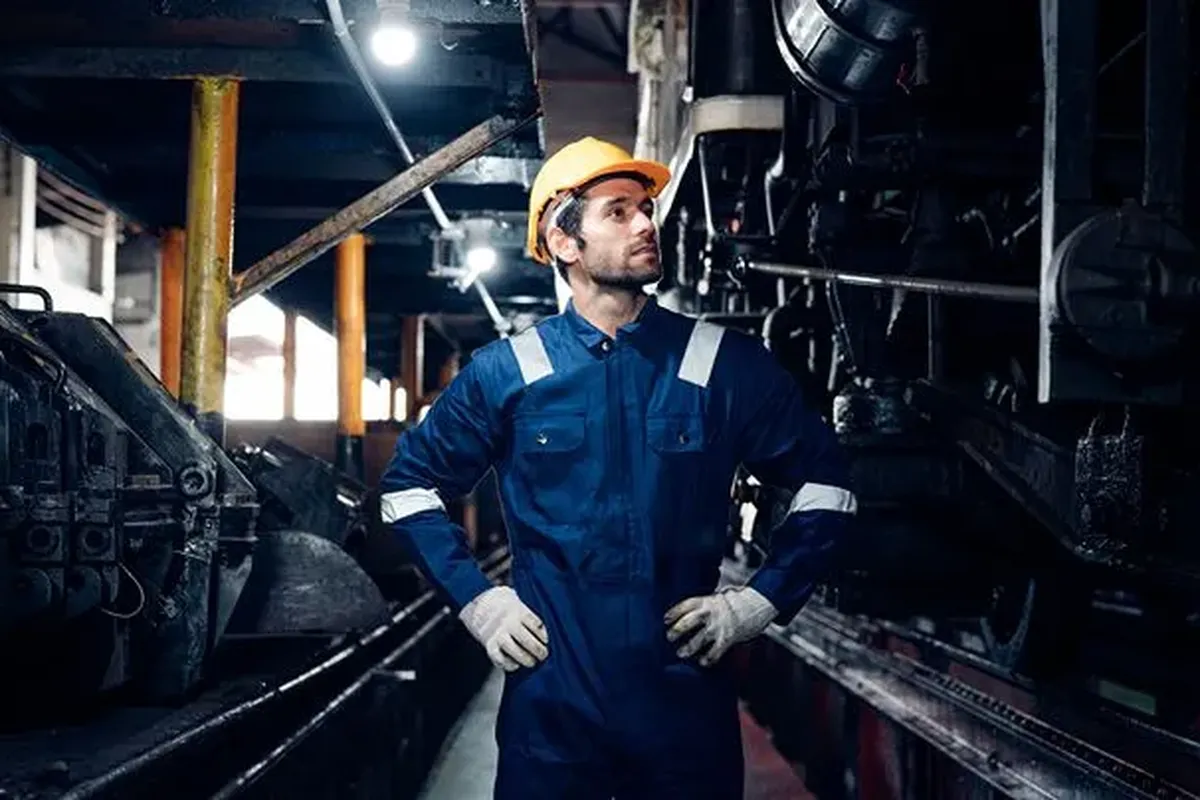
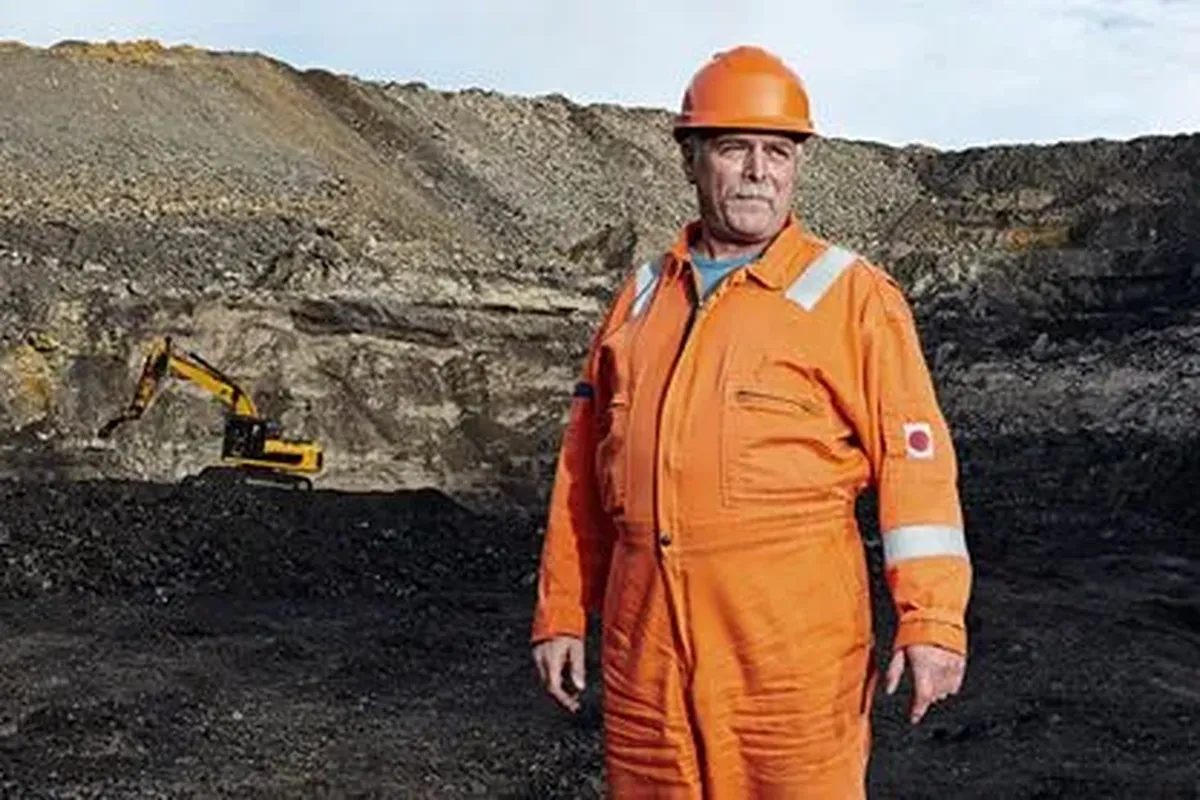
High visibility clothing is one of the most widely required items of PPE on Irish work sites — from construction and roadworks to utilities, rail, event security and delivery services. Understanding what the EN ISO 20471 classes mean and which class is required for your work environment is the starting point for any hi-vis purchase decision.
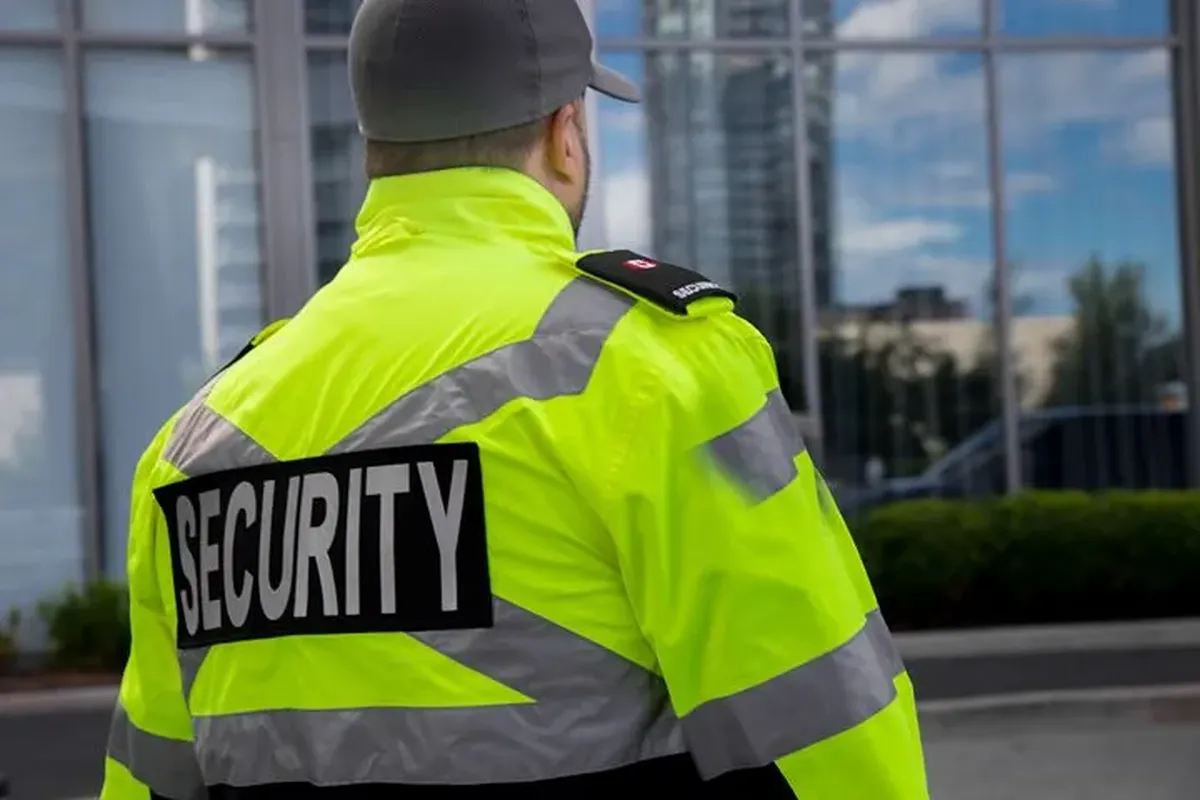
EN ISO 20471 — The Hi-Vis Standard
All CE-certified high-visibility clothing must meet EN ISO 20471, which specifies minimum areas of fluorescent background material and retroreflective tape. Higher classes require more material in both categories:
| Class | Min. Fluorescent Area | Min. Retroreflective Area | Typical Irish Requirement |
|---|---|---|---|
| Class 1 | 0.14 m² | 0.10 m² | Low-risk environments, slow-moving vehicles |
| Class 2 | 0.50 m² | 0.13 m² | Standard for most Irish construction sites |
| Class 3 | 0.80 m² | 0.20 m² | Motorway works, rail, high-speed road environments |
Class 2 is the minimum required by most Irish construction site rules and Transport Infrastructure Ireland standards for roadworks. Class 3 is required for motorway and high-speed road environments. Class 1 is generally only appropriate for very low-risk, slow-moving vehicle environments.
Types of Hi-Vis Clothing Available in Ireland
| Garment | CE Class Achievable | Best For |
|---|---|---|
| Hi-vis vest | Class 1–2 | Visitors, light use, warm conditions over other clothing |
| Hi-vis jacket | Class 2–3 | Cold/wet conditions, full-shift outdoor use |
| Hi-vis coverall | Class 2–3 | Full body coverage, cold/wet outdoor work — see hi-vis coveralls guide |
| Hi-vis trousers | Contributes to Class 3 combined | Combined with jacket to achieve Class 3 coverage |
| Disposable hi-vis vest | Class 1 | Site visitors, deliveries, infrequent site access |
Colour Requirements in Ireland
EN ISO 20471 permits yellow/lime (fluorescent yellow-green), orange (fluorescent orange-red), and red (fluorescent red) as the fluorescent background colours. Yellow/lime is by far the most common on Irish construction sites. Orange is used in some utilities, road management and festival event contexts. Some Irish sites specify yellow as the only permitted colour for consistency and to allow easy identification of non-site personnel in different-coloured hi-vis.
Hi-Vis Combination Garments
Several combination garments are available that provide hi-vis alongside other protective properties — waterproof hi-vis jackets (EN 343 + EN ISO 20471), FR hi-vis (EN ISO 11612 + EN ISO 20471), and arc flash hi-vis. These multi-norm garments are popular in utilities, oil and gas, and road maintenance contexts where workers face multiple hazards simultaneously. Single-specification garments are generally lighter and less expensive; combination garments offer compliance simplification in multi-hazard environments.
Frequently Asked Questions
Yes in many environments. The Safety, Health and Welfare at Work Act 2005 requires employers to provide appropriate PPE where workers are at risk from moving vehicles. Construction sites, roadworks, and vehicle/pedestrian shared environments require hi-vis. The specific class depends on the risk assessment.
Class 3 requires more fluorescent and retroreflective material than Class 2, making the wearer more visible at greater distances and in more challenging conditions. Class 3 is required for motorway works, rail, and high-speed environments. Class 2 is the standard for most Irish construction sites.
No formal expiry date applies, but fluorescent material fades with washing and UV exposure. Replace when fluorescent material shows visible fading — typically after 1–2 years of daily wear. Check retroreflective tape for delamination or soiling.
BodyArmour.ie
Ireland's independent guide to protective clothing and PPE. We cover personal protection, industrial workwear and safety clothing to help Irish buyers make informed decisions.