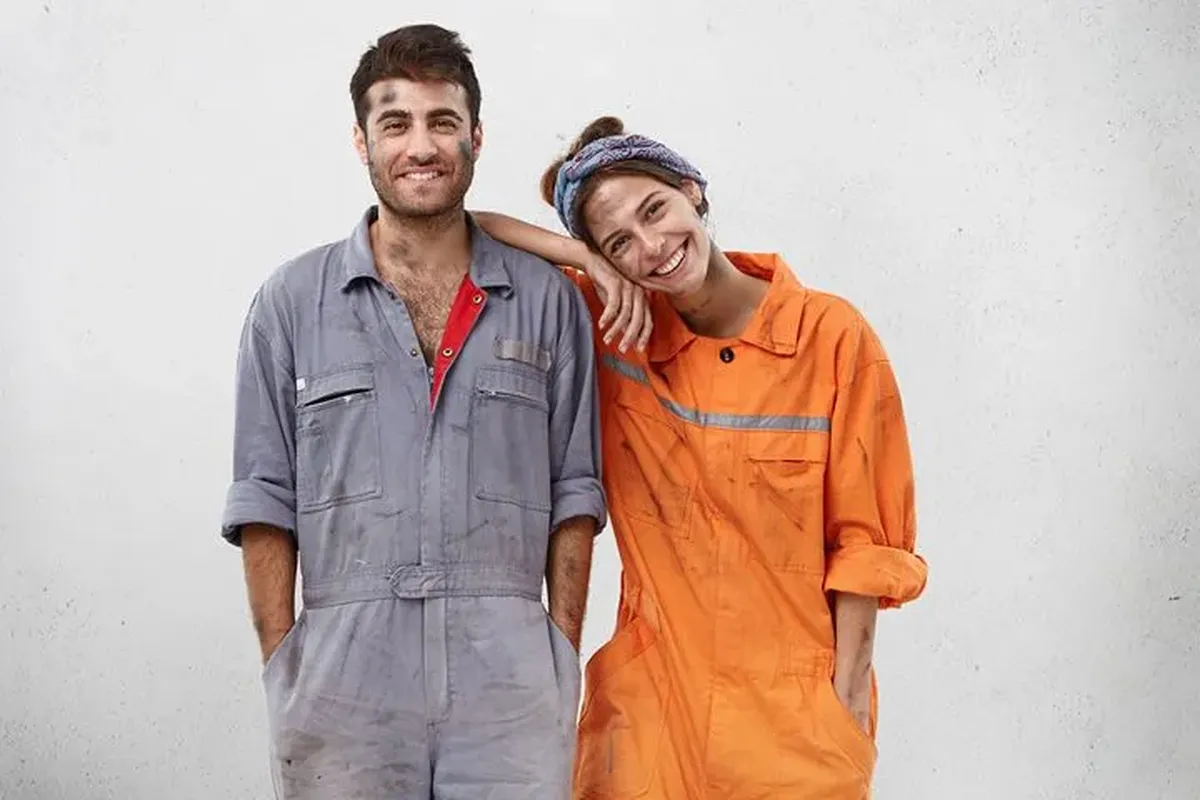
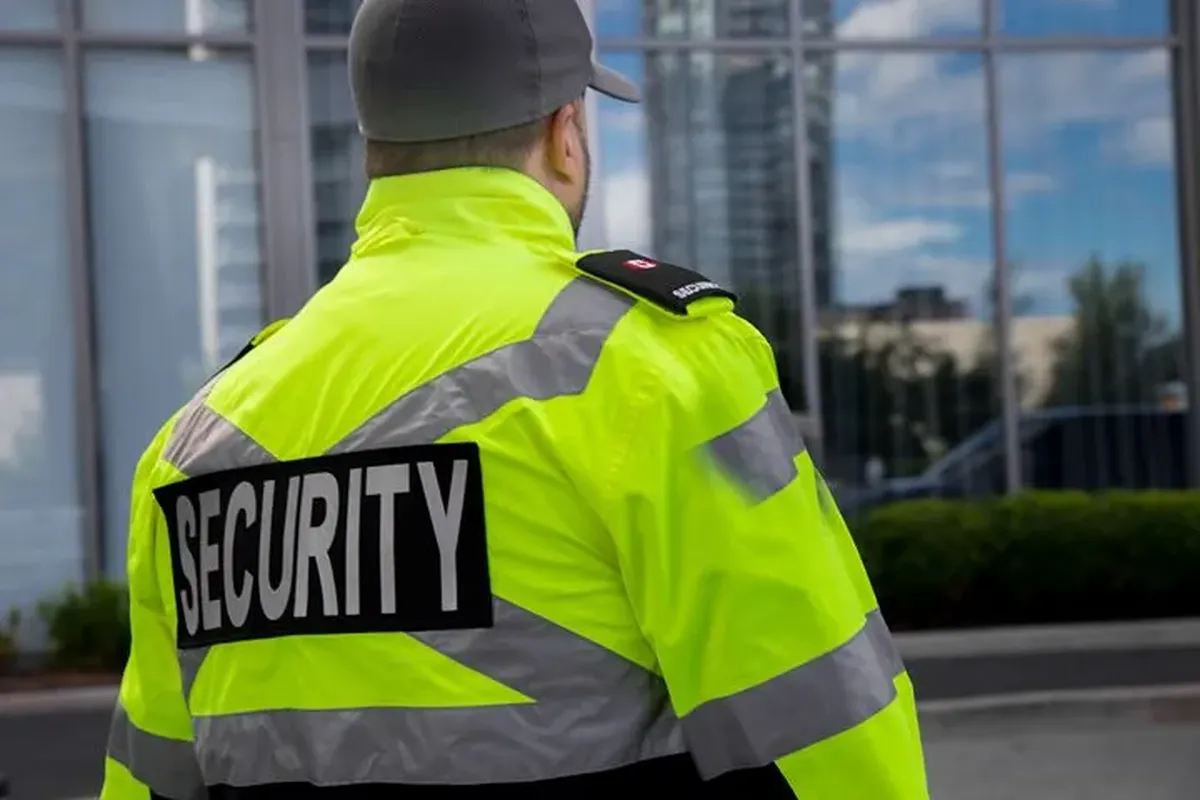
High-visibility coveralls combine full-body workwear coverage with certified EN ISO 20471 visibility ratings — making them one of the most practical choices for Irish outdoor workers who need both protection from the elements and compliance with site hi-vis requirements. This guide explains the class system, what to look for and the best options available in Ireland.
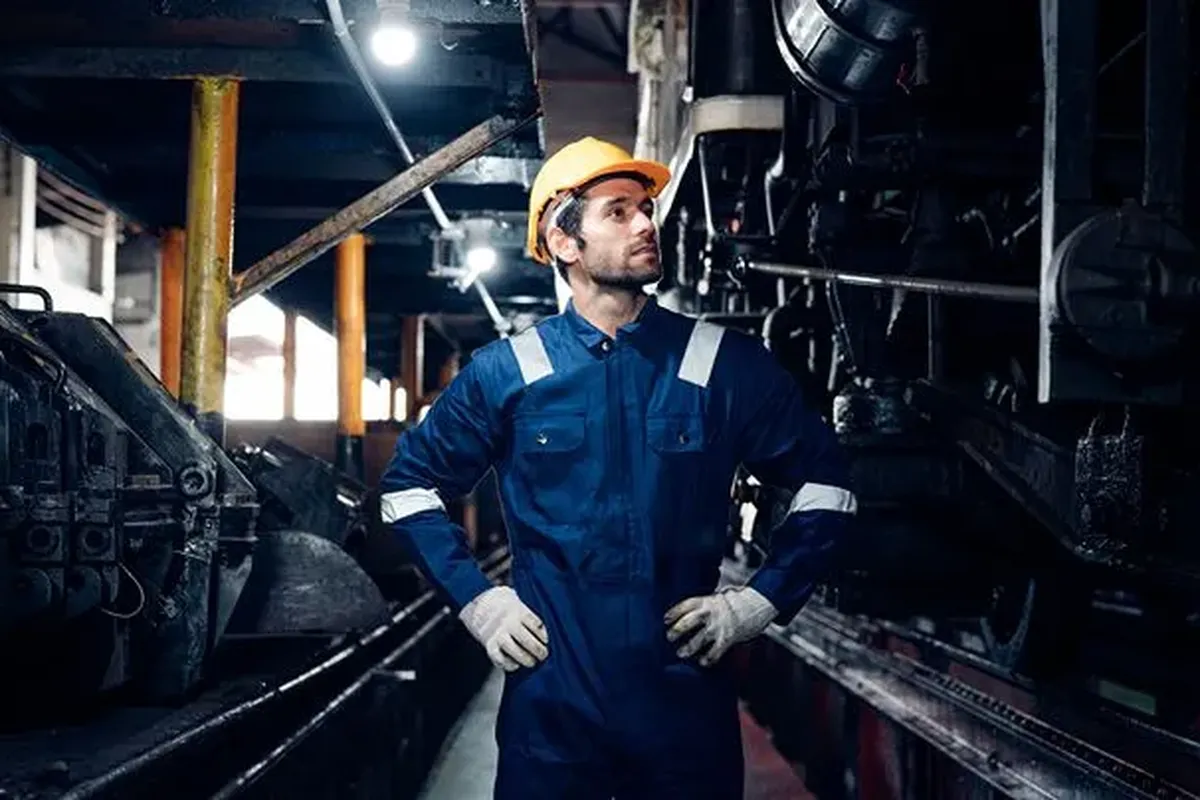
EN ISO 20471 — The Hi-Vis Standard Explained
All CE-certified high-visibility clothing sold in Ireland must meet EN ISO 20471, which specifies minimum areas of fluorescent background material and retroreflective tape. Three classes are defined:
| Class | Min. Fluorescent Area | Min. Retroreflective Area | Typical Use |
|---|---|---|---|
| Class 1 | 0.14 m² | 0.10 m² | Low-risk, slow-moving environments |
| Class 2 | 0.50 m² | 0.13 m² | Construction, general roadworks, most Irish site rules |
| Class 3 | 0.80 m² | 0.20 m² | Motorway works, rail, high-speed road environments |
A full coverall — covering torso, arms and legs — is one of the most efficient ways to achieve Class 2 or Class 3 certification, as the larger surface area of the garment makes it easier to meet the minimum material requirements.
Hi-Vis Coveralls vs Hi-Vis Vests
A hi-vis vest worn over a jacket can meet Class 2 requirements but typically cannot achieve Class 3 on its own due to insufficient fluorescent surface area — a second garment such as hi-vis trousers is usually needed. A hi-vis coverall achieves Class 2 or 3 in a single garment, which simplifies compliance, reduces layering and eliminates the risk of the vest being removed or shifted during work.
For cold or wet conditions — which describes a significant proportion of Irish working days — a hi-vis coverall also replaces the need for a separate waterproof layer if a dual-rated EN 343 + EN ISO 20471 garment is chosen.
Types of Hi-Vis Coveralls for Ireland
| Type | Additional Rating | Best For |
|---|---|---|
| Standard hi-vis coverall | EN ISO 20471 only | Dry conditions, general construction |
| Waterproof hi-vis coverall | EN ISO 20471 + EN 343 | Outdoor work in Irish weather conditions |
| FR hi-vis coverall | EN ISO 20471 + EN ISO 11612 | Utilities, oil and gas, road maintenance with traffic management |
| Disposable hi-vis coverall | EN ISO 20471 | Short-term site visits, deliveries, infrequent site access |
What to Check When Buying Hi-Vis Coveralls
| Factor | What to Look For |
|---|---|
| EN ISO 20471 class | Confirm the class meets your site rules — Class 2 minimum for most Irish construction sites. |
| Colour | Yellow/lime and orange are the standard colours. Yellow is more common in Ireland for construction; orange is used in some utilities and rail contexts. |
| Retroreflective tape placement | Tape should run horizontally around the torso and vertically over the shoulders, with bands on the arms and legs for Class 3. |
| Additional ratings | If working outdoors in wet conditions, look for EN 343 waterproofing as a combined rating on the same garment. |
| Sizing | Worn over workwear — size up and check the manufacturer's measurement guide. |
Where to Buy Hi-Vis Coveralls in Ireland
Portwest (Co. Mayo) produces an extensive hi-vis coverall range and is the most widely available brand in Ireland through builders' merchants, trade counters and online. Dickies and Blaklader also produce quality hi-vis coveralls available through workwear specialists. For dual-rated FR hi-vis coveralls, specialist PPE suppliers are the best source. See our full coveralls guide and our high visibility clothing guide for more.
Frequently Asked Questions
Most Irish construction sites require minimum Class 2 hi-vis as a site rule. Class 3 is required for motorway works and rail environments. Check your site rules and the HSA risk assessment requirements for your specific work.
Yes. Hi-vis coveralls used as PPE must be CE marked to EN ISO 20471. The label must state the class and the certified surface areas of fluorescent and retroreflective material.
Yes. Dual-rated EN ISO 20471 + EN 343 coveralls are widely available and are a practical choice for Irish outdoor workers who need both visibility and weather protection in a single garment.
BodyArmour.ie
Ireland's independent guide to protective clothing and PPE. We cover personal protection, industrial workwear and safety clothing to help Irish buyers make informed decisions.