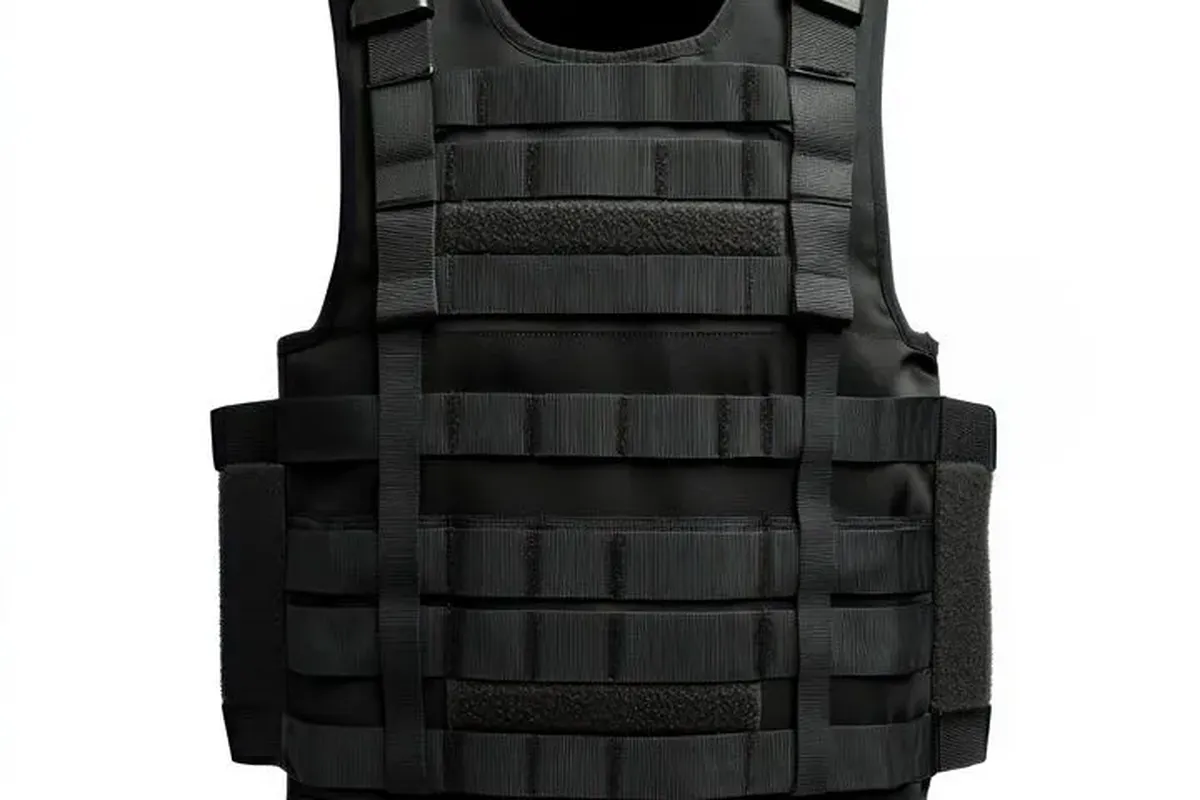
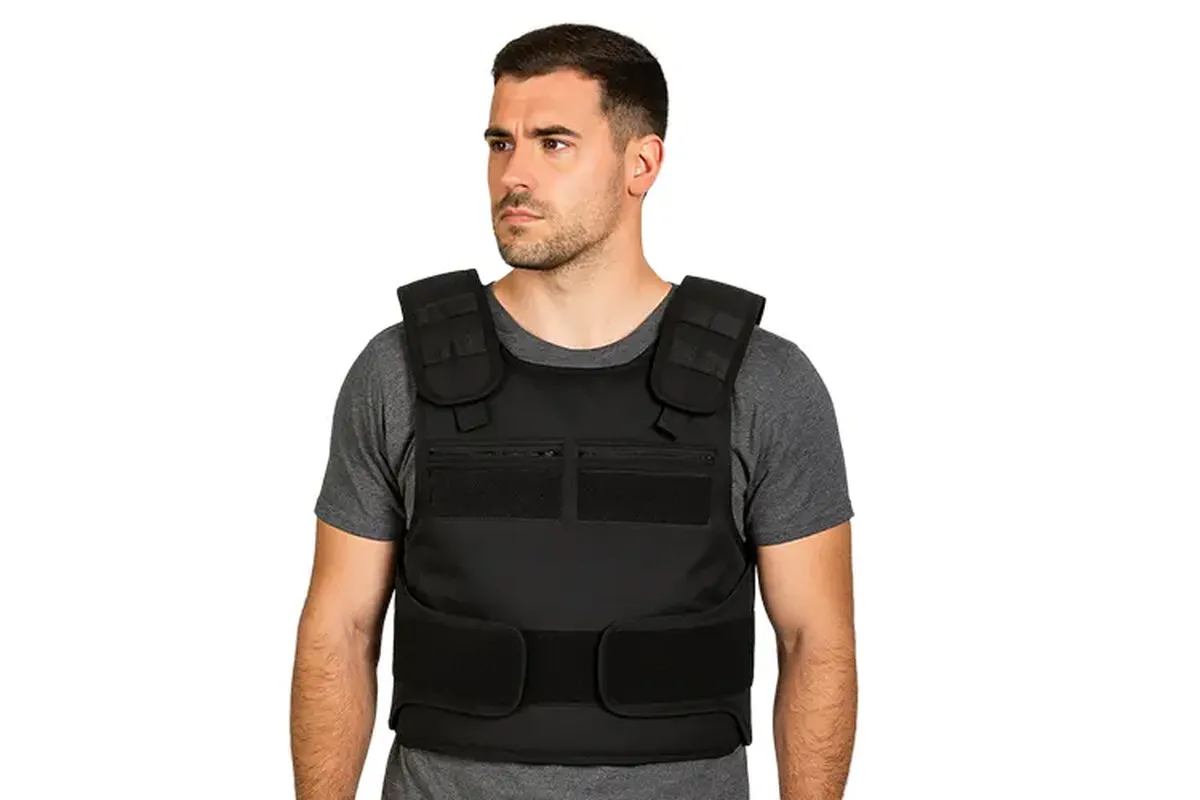
Body armour protection levels are specified under several different standards depending on where the product was manufactured and tested — NIJ (US), VPAM (European), HOSDB/UKPIA (UK) and EN 1063. Understanding what each rating actually stops is essential before purchasing body armour for use in Ireland.
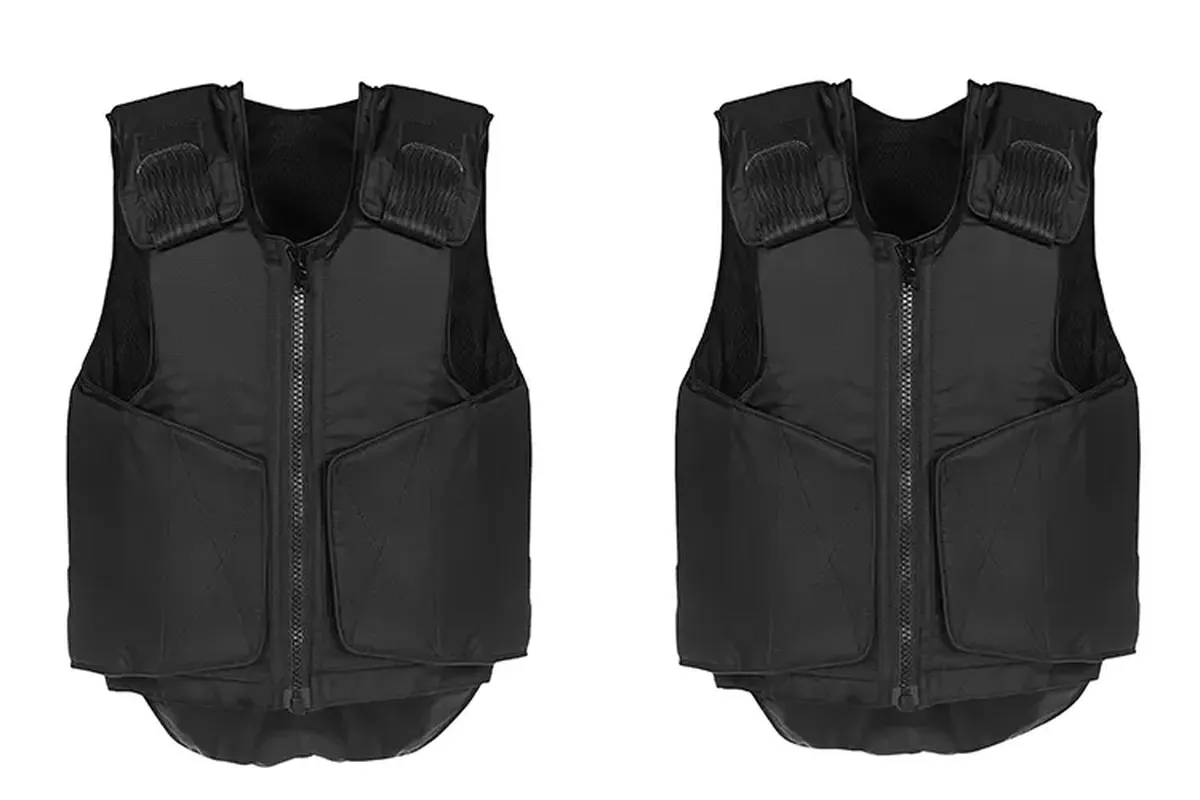
NIJ Standards — The US Rating System Commonly Used in Ireland
The NIJ (National Institute of Justice) standard is the most widely referenced body armour standard globally and appears on most body armour specifications sold in Ireland. The NIJ standard defines protection levels by the calibre and velocity of the round the armour is tested against:
| NIJ Level | Test Round | Type | Irish Application |
|---|---|---|---|
| Level IIA | 9mm FMJ, .40 S&W | Soft armour | Lightweight covert protection — limited Irish use |
| Level II | 9mm FMJ, .357 Magnum | Soft armour | General soft armour — moderate weight |
| Level IIIA | 9mm, .44 Magnum | Soft armour | Standard for Irish security/close protection soft armour |
| Level III | 7.62mm NATO FMJ | Hard plate | Military, specialist armed units — rare civilian use |
| Level IV | .30 calibre AP | Hard plate | Military — not typically relevant to Irish civilian buyers |
NIJ IIIA is the standard specification for most Irish security and personal protection soft body armour purchases. It provides protection against handgun threats up to .44 Magnum which covers the vast majority of civilian threat scenarios.
HOSDB Stab Standards — Relevant for Irish Security
For stab protection, the UK's HOSDB (Home Office Scientific Development Branch) standard is the most commonly referenced in Ireland and the UK. It uses separate KR (knife resistance) and SP (spike protection) ratings:
| Rating | Threat | Test Energy | Irish Typical Use |
|---|---|---|---|
| KR1 / SP1 | Knife blade / spike | 24 joules | Standard for Irish door staff and security guards |
| KR2 / SP2 | Knife blade / spike | 33 joules | Higher risk security environments |
| KR3 / SP3 | Knife blade / spike | 43 joules | Maximum resistance — prison, custody environments |
Stab vs Ballistic — A Critical Distinction
Stab and ballistic threats require completely different protective materials and construction. A vest rated KR2 for stab protection provides NO ballistic protection. A vest rated NIJ IIIA provides NO stab protection. These are fundamental separate protection systems, not interchangeable levels of the same thing. Dual-rated vests combining both stab and ballistic protection exist but are heavier than single-rated alternatives and represent a compromise between the two systems. For the vast majority of Irish security professional applications, stab protection alone (KR1/SP1) is the primary requirement — ballistic protection is an additional specification for close protection and higher-risk roles. See our complete body armour guide for more detail.
Frequently Asked Questions
Ireland has no national standard. The US NIJ standard is most commonly referenced in product specifications sold in Ireland. Most soft body armour sold here is tested to NIJ IIIA; stab protection uses the UK HOSDB KR/SP rating system. EU VPAM ratings also appear on European-manufactured products.
An Garda Siochana does not publicly specify officer body armour ratings for operational security reasons. Standard uniformed officers typically use soft body armour rated against common handgun and stab threats. Armed support units use higher-rated protection appropriate to the threat environment.
Yes. Level III hard plate armour is legal to purchase in Ireland for civilian use. No legislation restricts civilian ownership. It is primarily used by security contractors and military personnel due to weight, but there is no legal prohibition on civilian purchase.
BodyArmour.ie
Ireland's independent guide to protective clothing and PPE. We cover personal protection, industrial workwear and safety clothing to help Irish buyers make informed decisions.