Coveralls are one of the most versatile and widely used items of protective clothing in Ireland — from construction sites and agricultural settings to pharmaceutical labs and chemical plants. This guide covers every main type of coverall available in the Irish market, what each is designed to do, and how to choose the right one for your work.
Coveralls vs Overalls — What's the Difference?
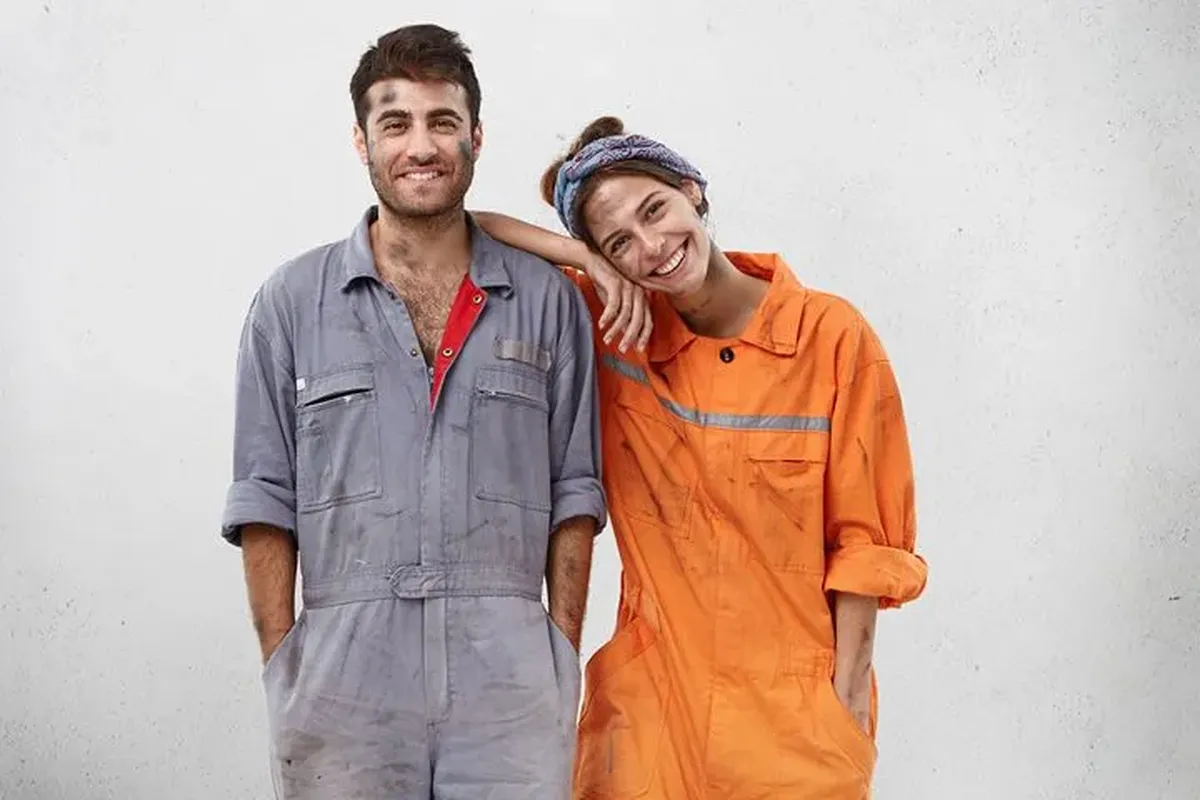
The terms are often used interchangeably in Ireland but there is a practical distinction. Coveralls are a single full-body garment covering torso, arms and legs — typically with a zip or press-stud front closure. Overalls (or dungarees) cover the torso and legs but leave the arms exposed. In a PPE context, "coveralls" almost always refers to the full-body garment. This guide uses "coveralls" throughout to mean the full-body version.
Types of Coveralls Available in Ireland
The coveralls market in Ireland divides into several distinct categories, each designed for a different hazard type or work environment:
| Type | Primary Use | CE Required | Key Standard |
|---|---|---|---|
| General work coveralls | Keeping clothes clean, light-duty work | No | N/A |
| Disposable coveralls | Painting, asbestos, chemical handling | Yes (if PPE) | EN 13982, EN 14605 |
| Waterproof coveralls | Outdoor work, wet environments | Yes (if PPE) | EN 343 |
| Flame-resistant coveralls | Welding, oil and gas, utilities | Yes | EN ISO 11612 |
| Arc flash coveralls | Electrical work, switchgear | Yes | EN IEC 61482-2 |
| Hi-vis coveralls | Construction, roads, rail | Yes | EN ISO 20471 |
| Chemical resistant coveralls | Hazmat, lab, chemical plant | Yes | EN 14605, EN 13034 |
General Work Coveralls
Standard work coveralls — the navy or grey boiler suits seen on mechanics, engineers and maintenance workers across Ireland — are primarily worn to protect the wearer's clothing rather than as PPE. They do not require CE marking unless they are being used in a specific protective role. Key considerations are durability, ease of washing, fit and pocket layout. Portwest, Dickies and Blaklader produce widely available options in this category at competitive prices through Irish workwear retailers.
Disposable Coveralls
Disposable coveralls are single-use garments used where contamination control is the priority. They are widely used in Irish construction (particularly asbestos removal), painting, pharmaceutical manufacturing, and food processing. The most common material is Tyvek — a spunbonded high-density polyethylene fabric made by DuPont that is lightweight, breathable and resistant to dry particles and light liquid splash.
Tyvek grades vary significantly in their protective performance. For detailed guidance on disposable options, see our disposable coveralls Ireland guide.
Waterproof Coveralls
For outdoor workers in Ireland's frequently wet conditions, waterproof coveralls are among the most practical PPE investments available. CE-rated waterproof coveralls must meet EN 343, which tests resistance to water penetration and breathability. A higher class in both ratings is better — Class 3 water penetration resistance with Class 3 breathability represents the highest standard. See our dedicated waterproof coveralls guide for a full breakdown of what to look for.
Flame-Resistant Coveralls
Flame-resistant (FR) coveralls are essential for workers exposed to flash fire risk — welders, utility workers, oil and gas personnel, and anyone working near open flame or molten metal. They must meet EN ISO 11612, which tests performance across multiple flame and heat hazard types. FR coveralls are not the same as arc flash coveralls, though some garments are rated for both. Key brands available in Ireland include Portwest, Wenaas and Alsico. For full detail see our flame-retardant coveralls guide.
Hi-Vis Coveralls
Hi-vis coveralls combine the full-body coverage of a coverall with EN ISO 20471 high-visibility certification. They are particularly practical for outdoor workers who need both body coverage and visibility — road workers, rail maintenance crews and construction operatives in exposed conditions. Most Irish site rules require minimum Class 2 hi-vis; for motorway and high-speed road work, Class 3 is standard. See our hi-vis coveralls guide for a full breakdown.
What to Look for When Buying Coveralls in Ireland
| Factor | What to Check |
|---|---|
| CE mark | Required for any coverall used as PPE. Check the label for the CE mark and the relevant EN standard number. |
| Hazard match | Match the coverall type to your specific hazard — a general work coverall offers no protection against chemical splash or flame. |
| Sizing | Size up from normal clothing as coveralls are worn over workwear. Use the manufacturer's measurement chart rather than S/M/L alone. |
| Closure type | Zip fronts are most common. For chemical or particle protection, check that cuff, ankle and neck closures are adequate for the hazard. |
| Breathability | Important for physically demanding work. FR and chemical resistant coveralls often sacrifice breathability — factor in working conditions. |
| Washability | For reusable coveralls, check the wash rating and whether protective properties are maintained after repeated washing. |
Where to Buy Coveralls in Ireland
General work coveralls and disposable options are widely available from Irish workwear retailers, builders' merchants and agricultural suppliers. Specialist FR, arc flash and chemical-resistant coveralls are better sourced through dedicated PPE suppliers or directly from brands such as Portwest (headquartered in Westport, Co. Mayo) who supply extensively across the Irish market. Portwest in particular has strong Irish availability both through trade accounts and their online store.
Frequently Asked Questions
Coveralls cover the entire body including the arms — a single garment with a zip or press-stud front. Overalls cover the torso and legs but leave the arms exposed. In a PPE context, "coveralls" typically refers to the full-body garment.
General work coveralls used to keep clothes clean do not require CE marking. However, coveralls used as PPE — disposable chemical coveralls, flame-resistant coveralls, hi-vis coveralls — must carry a CE mark under EU Regulation 2016/425 and meet the relevant EN standard for their protective function.
Tyvek coveralls are disposable garments used in construction, asbestos removal, painting, chemical handling and pharmaceutical environments. Tyvek 400 is the most common grade, offering protection against dry particles and light liquid splash. Higher grades (500, 600) provide increased liquid and chemical resistance.
Size up from your normal clothing size — coveralls are worn over work clothes and need room for movement. Use the manufacturer's size chart for chest, height and waist measurements rather than relying on S/M/L/XL alone.
BodyArmour.ie
Ireland's independent guide to protective clothing and PPE. We cover personal protection, industrial workwear and safety clothing to help Irish buyers make informed decisions.