Ireland's climate makes waterproof coveralls one of the most practical investments for outdoor workers. Whether you are on a construction site, working in agriculture, or carrying out maintenance in exposed conditions, a quality pair of waterproof coveralls keeps you dry, comfortable and able to work effectively regardless of the weather. This guide explains what the ratings mean and what to look for when buying in Ireland.
Why Waterproof Coveralls Matter for Irish Workers
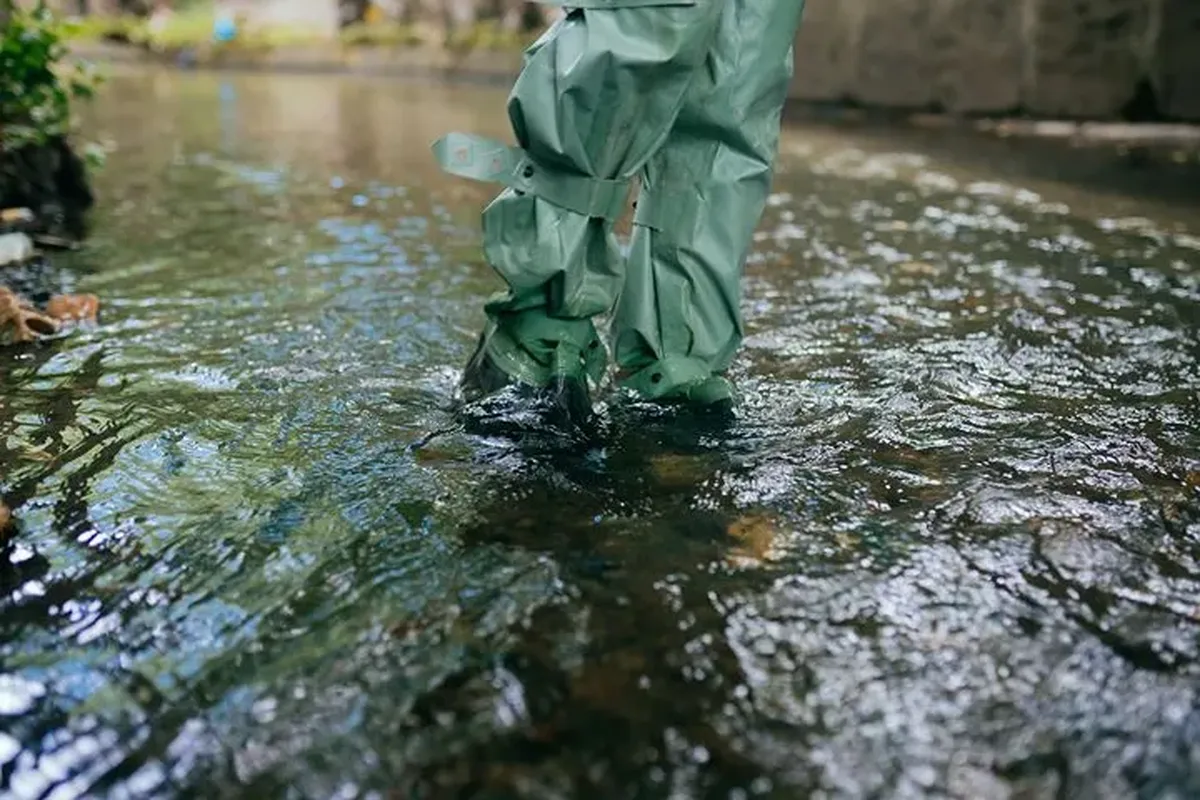
Ireland receives an average of 150–225 wet days per year depending on location, with the west coast significantly wetter than the east. For anyone working outdoors — construction, agriculture, forestry, utilities, groundskeeping — staying dry is not a comfort issue, it is a productivity and health issue. Sustained exposure to wet conditions contributes to hypothermia risk, reduces dexterity and concentration, and leads to absences. Quality waterproof coveralls address all of this in a single garment.
Understanding EN 343 — The Waterproofing Standard
CE-rated waterproof coveralls must meet EN 343, the European standard for protective clothing against rain and foul weather. The standard rates garments on two independent scales:
| Rating | Class 1 | Class 2 | Class 3 |
|---|---|---|---|
| Water Penetration Resistance | Basic protection | Moderate protection | Maximum protection |
| Breathability (Moisture Vapour Resistance) | Low breathability | Moderate breathability | High breathability |
A garment rated EN 343 3:3 gives maximum rain resistance and maximum breathability — the ideal specification for physically demanding outdoor work. For lighter use or budget-conscious buyers, a 3:2 rating (maximum waterproofing, moderate breathability) is a practical compromise. Avoid Class 1 water penetration resistance for serious outdoor work in Irish conditions.
Waterproof Coveralls vs Waterproof Overalls
The terms appear interchangeably in Irish searches and in product listings. The technical distinction is that coveralls cover the full body including arms, while overalls cover the torso and legs only. In practice, many manufacturers use both terms for the same product. When buying online, always check the product image and description to confirm whether the garment covers the arms — particularly important for construction or agricultural use where arm protection from rain matters.

Types of Waterproof Coveralls for the Irish Market
| Type | Best For | Key Feature |
|---|---|---|
| Standard waterproof coveralls | General outdoor work, agriculture, maintenance | Full body coverage, durable shell fabric |
| Hi-vis waterproof coveralls | Construction, roads, rail | Dual EN 343 + EN ISO 20471 certification |
| Insulated waterproof coveralls | Winter outdoor work, refrigerated environments | Thermal lining combined with waterproof shell |
| Lightweight waterproof coveralls | Pack-away use, occasional use over other workwear | Compact, light — sacrifices durability for portability |
What to Look for When Buying Waterproof Coveralls
| Factor | What to Check |
|---|---|
| EN 343 rating | Look for Class 3 water penetration resistance as a minimum for Irish conditions. Class 3 breathability if doing physical work. |
| Seam sealing | Taped or welded seams prevent water ingress at stitching lines — critical for serious waterproofing. Check the product spec. |
| Cuff and ankle closures | Elasticated or adjustable cuffs and ankles prevent water running in from the bottom of sleeves and legs. |
| Hood | Integrated hood with adjustment is significantly more practical than none for Irish conditions. |
| Knee reinforcement | For ground-level work, reinforced knees add durability where abrasion is highest. |
| Sizing | Worn over work clothing — size up and use the manufacturer's measurement guide. |
Top Brands for Waterproof Coveralls in Ireland
Portwest (Co. Mayo) is the most widely available brand for waterproof coveralls in Ireland, with an extensive range across price points and a strong trade distribution network. Their PW3 and PW2 waterproof ranges are well regarded for value. Blaklader produce premium waterproof coveralls with excellent durability, available through specialist workwear suppliers. Helly Hansen and Snickers are popular with construction tradespeople who prioritise breathability and comfort at a higher price point.
For a full overview of all coverall types available in Ireland, see our complete coveralls guide.
All Coveralls Ireland →Frequently Asked Questions
EN 343 is the European standard for protective clothing against rain. It rates garments on water penetration resistance (Class 1–3) and breathability (Class 1–3). A garment rated EN 343 3:3 offers maximum rain protection and maximum breathability — the best specification for demanding outdoor work in Ireland.
The terms are used interchangeably in most Irish product listings. Strictly speaking, coveralls cover the full body including arms while overalls cover torso and legs only. Always check the product image to confirm coverage before buying.
The waterproof membrane typically lasts 2–5 years with regular use. Wash with a specialist technical wash and re-proof periodically to maintain the DWR coating. Tears and seam damage will reduce waterproofing faster than normal wear.
Yes. Portwest and Blaklader both produce coveralls rated for both waterproofing (EN 343) and high visibility (EN ISO 20471). Popular with Irish road and construction workers who need both properties in a single garment.
BodyArmour.ie
Ireland's independent guide to protective clothing and PPE. We cover personal protection, industrial workwear and safety clothing to help Irish buyers make informed decisions.