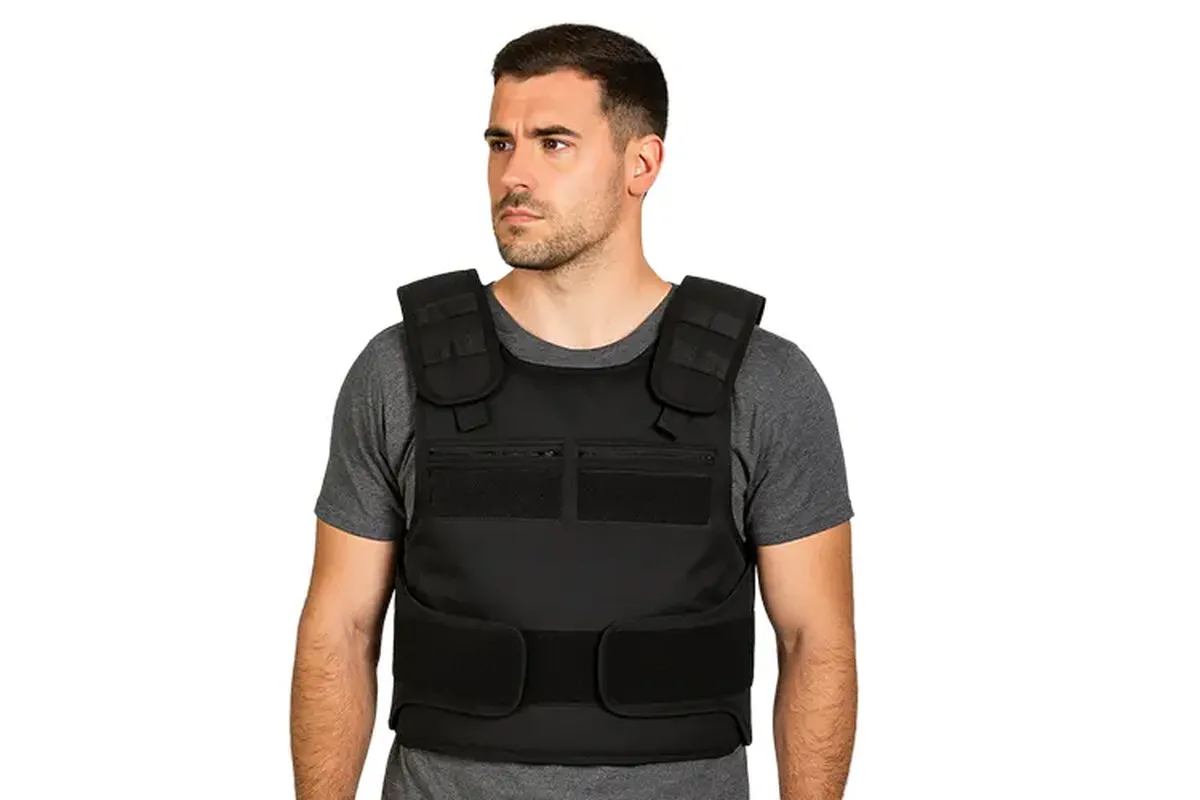
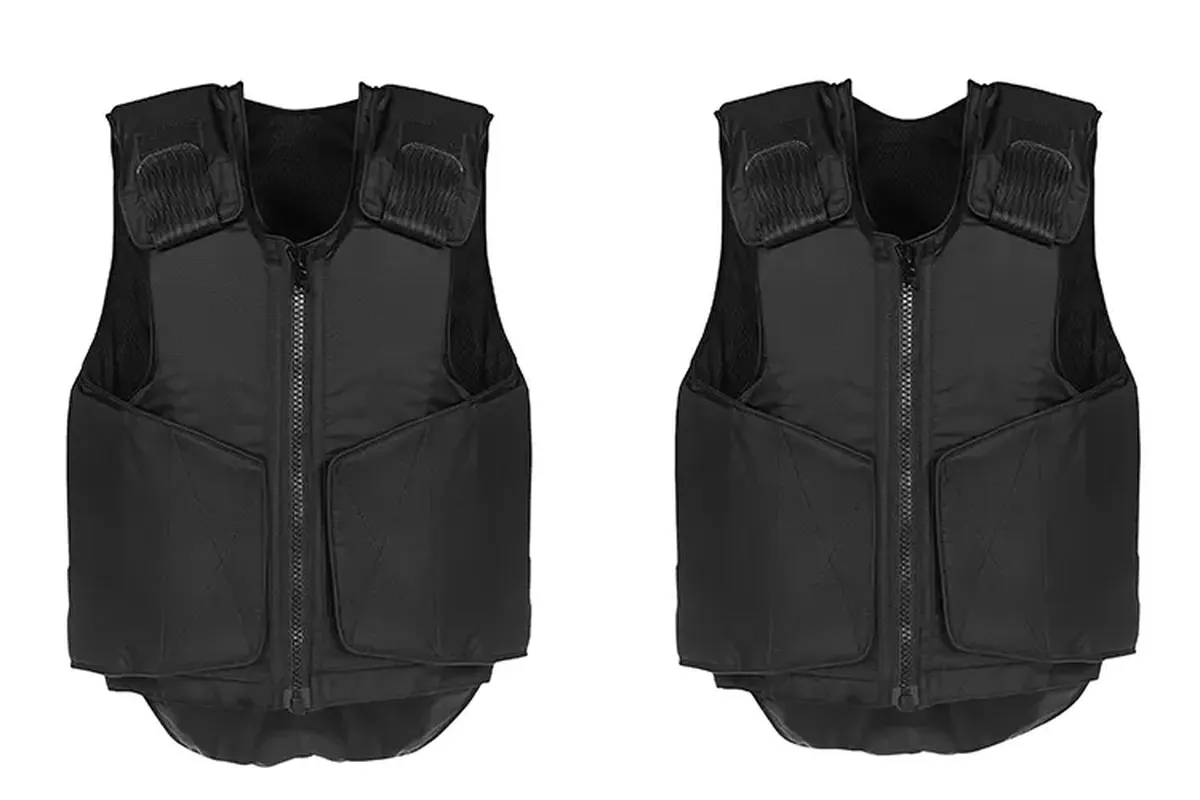
Body armour in Ireland is purchased for a wide range of purposes — security professionals, door staff, cash transit workers, journalists, and individuals with specific personal protection concerns. Understanding the difference between stab and ballistic protection, what the ratings mean, and what is legally available is the starting point for making a sensible purchase decision.
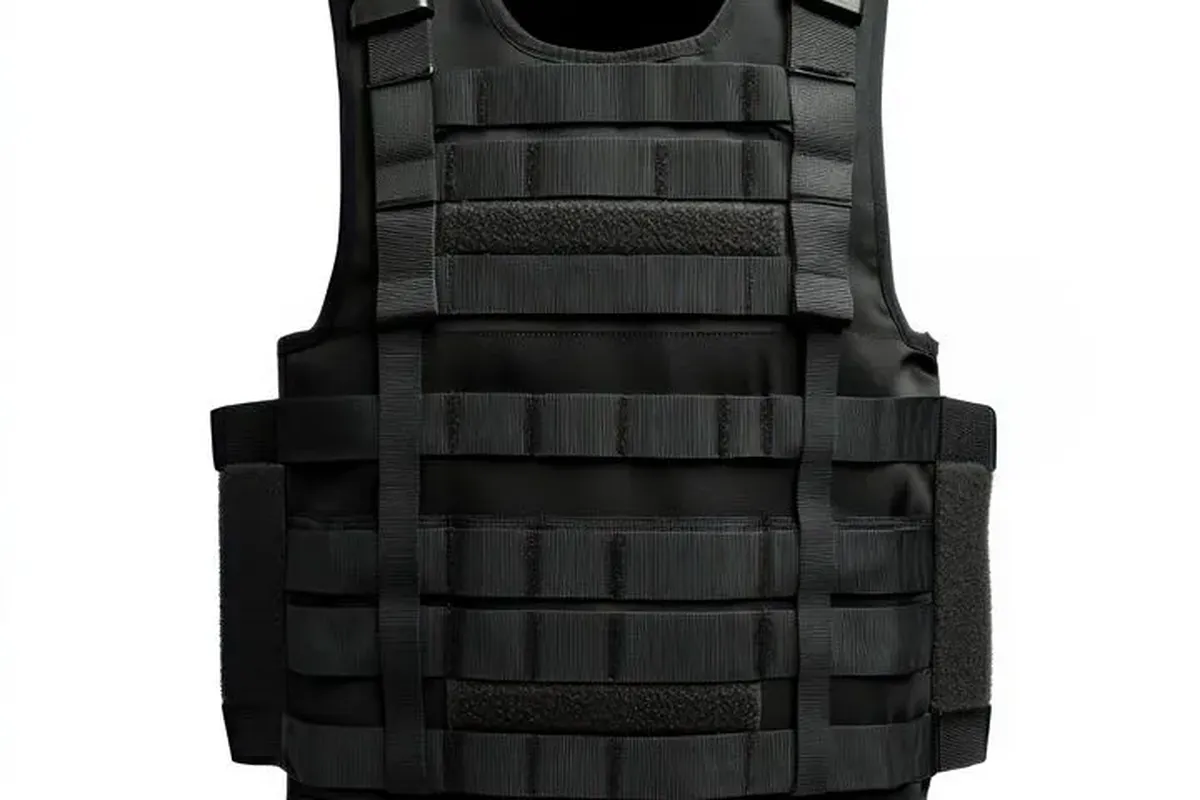
Is Body Armour Legal in Ireland?
Yes. Purchasing and owning body armour — including soft ballistic vests and stab-resistant vests — is legal in Ireland for civilians and security professionals. There is no specific legislation prohibiting the purchase or ownership of soft body armour by Irish adults. Body armour is purchased and worn regularly by security professionals, door staff, cash-in-transit workers, private investigators, journalists working in high-risk environments, and individuals with specific personal safety concerns.
The one important legal caveat is that wearing body armour in connection with the commission of a criminal offence is an aggravating factor under Irish criminal law and may result in a more serious charge or heavier sentencing. This does not affect legitimate use by security professionals or civilians with genuine protection needs.
Stab Protection vs Ballistic Protection
Body armour in Ireland falls into two fundamental categories — and the two address different threats with different materials:
| Type | Threat | Materials | Typical Users |
|---|---|---|---|
| Stab / spike resistant | Knives, needles, pointed objects | Tightly woven UHMWPE, chainmail, laminated fabrics | Door staff, prison officers, security guards |
| Ballistic (soft) | Handgun rounds | UHMWPE (Dyneema), para-aramid (Kevlar) | Close protection operatives, cash transit, military |
| Ballistic (hard plate) | Rifle rounds | Ceramic, UHMWPE plates | Military, specialist armed response units |
| Dual-rated | Stab + ballistic | Combined systems | Close protection, high-risk environments |
A stab vest does not provide ballistic protection and vice versa — the two threats require fundamentally different materials and construction. Dual-rated vests are available but are heavier than single-rated alternatives and represent a compromise between the two protection types.
Protection Levels and Ratings
For stab protection, the HOSDB (Home Office Scientific Development Branch) UK stab standard uses KR (knife resistance) and SP (spike protection) ratings on a 1–3 scale. For ballistic protection, the NIJ (US) standard and VPAM (European) standard are the most commonly referenced. See our dedicated body armour levels explained guide for a full breakdown of what each level stops.
Overt vs Covert Body Armour
| Type | Worn | Visibility | Best For |
|---|---|---|---|
| Overt vest | Over clothing | Visible | Uniformed security, door staff, high-visibility deterrence |
| Covert vest | Under clothing | Concealed | Close protection, plain-clothes security, personal protection |
Overt vests are typically more robust, easier to put on and take off, and allow higher protection levels. Covert vests sacrifice some protection level for concealability and comfort. For most Irish security professional applications, overt is more appropriate; for plain-clothes or personal protection scenarios, covert is preferable.
Vest Maintenance and Lifespan
Soft ballistic panels should be replaced after 5 years of use or after any impact event, even if the vest appears undamaged. The ballistic fibres degrade through exposure to moisture, sweat and mechanical stress. Most manufacturers include wash instructions — the carrier (outer shell) can usually be machine washed, but the ballistic panels must not be machine washed, dry cleaned, or exposed to harsh chemicals. Inspect the panels regularly for damage, delamination or moisture ingress.
Frequently Asked Questions
Yes. Body armour is legal to purchase and own in Ireland. No specific legislation prohibits civilian ownership. Security professionals and individuals with legitimate protection needs buy and wear body armour regularly without legal issue.
Stab vests use tightly woven fabrics or chainmail to resist blade and spike penetration. Ballistic vests use UHMWPE or para-aramid to deform and absorb bullets. The two threats require different materials — a stab vest does not provide ballistic protection. Dual-rated vests covering both exist but are heavier.
Manufacturers specify 5 years service life for soft ballistic panels. Protective fibres degrade through moisture, sweat, UV and mechanical stress. Replace after any impact regardless of visible damage.
BodyArmour.ie
Ireland's independent guide to protective clothing and PPE. We cover personal protection, industrial workwear and safety clothing to help Irish buyers make informed decisions.