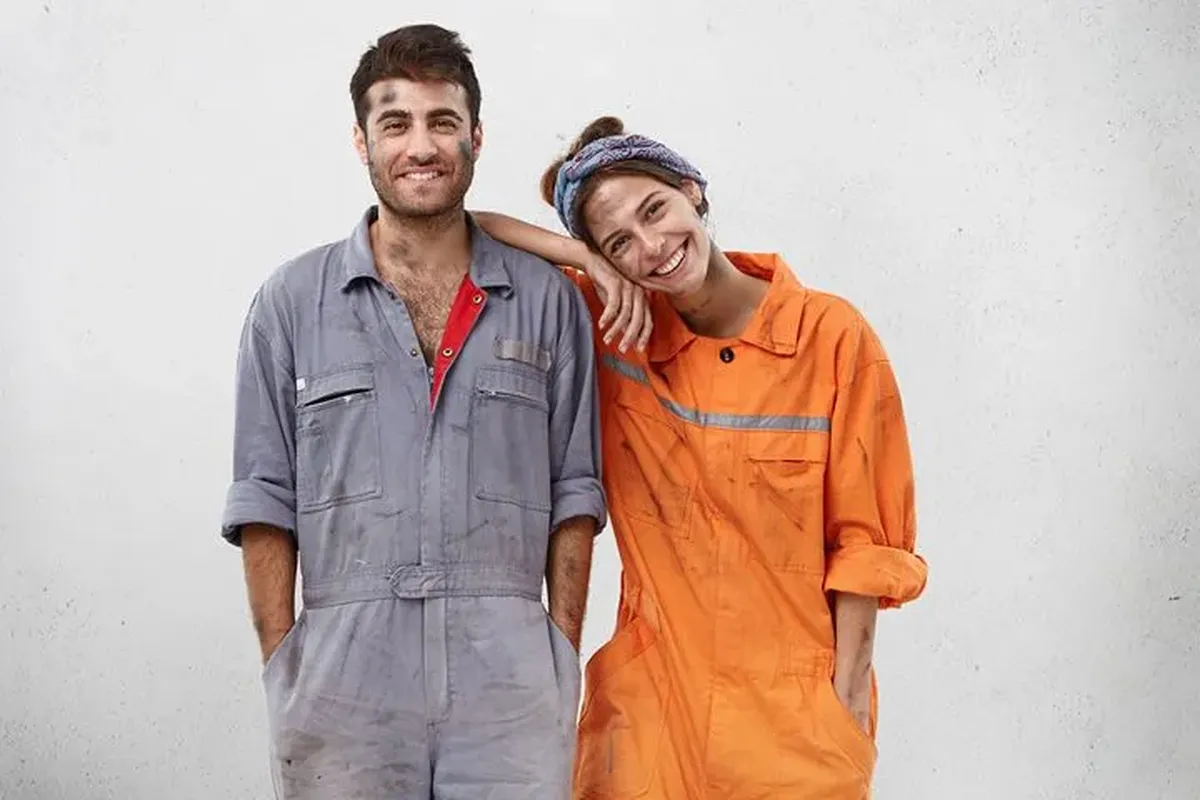
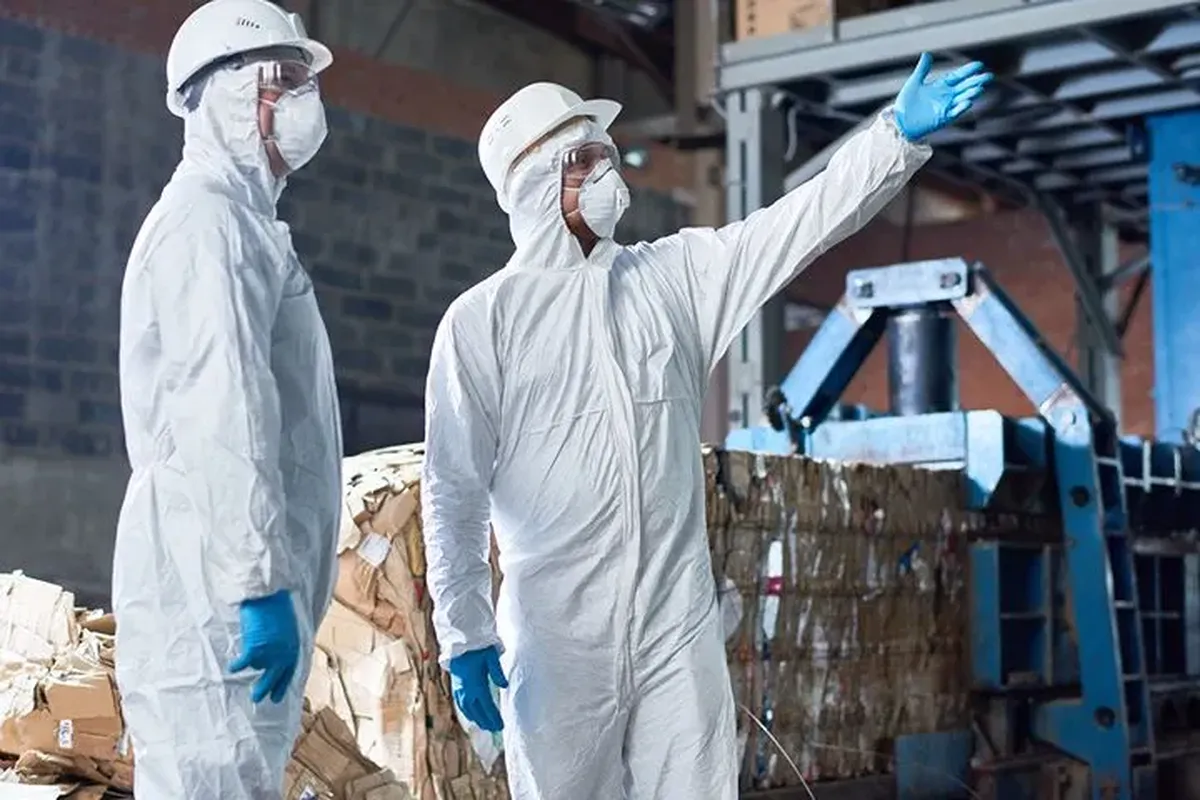
Disposable coveralls are a staple of the Irish construction, pharmaceutical and chemical sectors. Choosing the right type matters — not all disposable coveralls offer the same level of protection, and using the wrong grade for the hazard involved can create a false sense of security. This guide explains the EN types, Tyvek grades and what each is appropriate for.
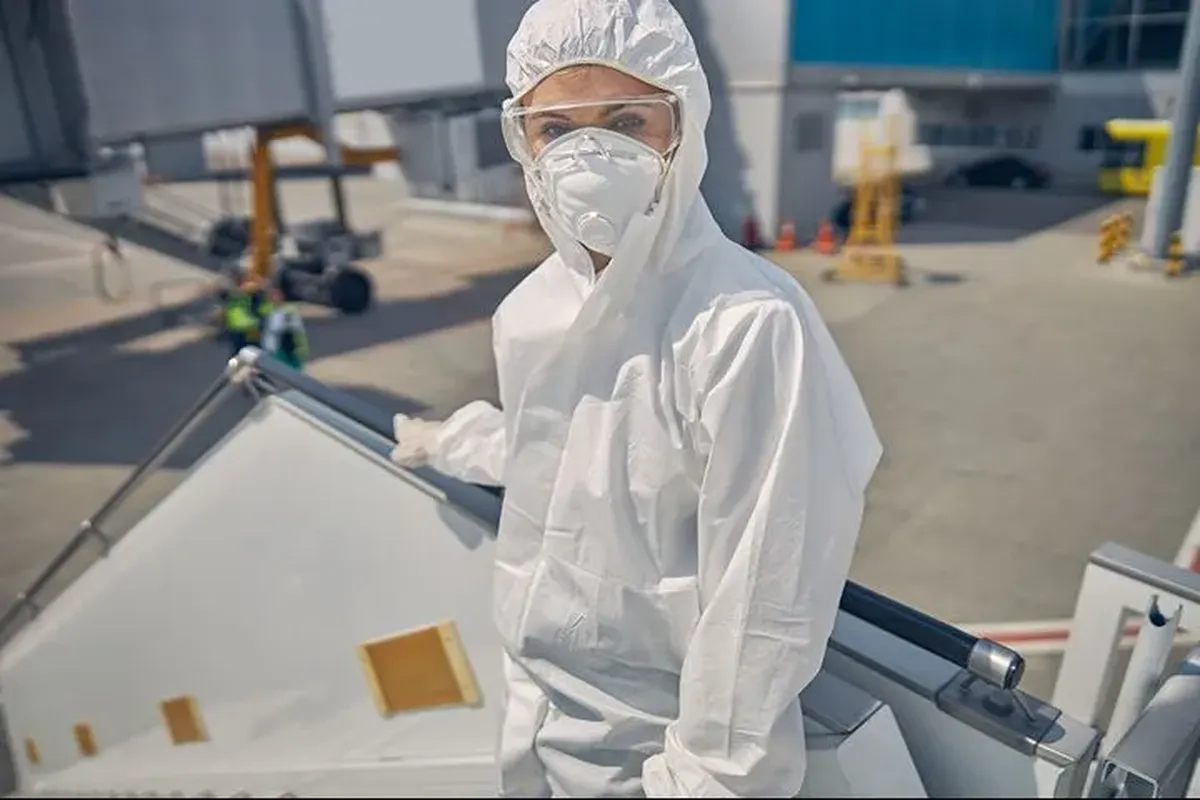
What Are Disposable Coveralls Used For?
Disposable coveralls are single-use protective garments used wherever contamination control is the primary concern — either protecting the worker from the environment, or protecting the environment from the worker. Common uses in Ireland include asbestos removal, construction dust control, painting and decorating, pharmaceutical manufacturing, food processing, chemical handling and hazmat response.
The key characteristic of a disposable coverall is that it is worn once and then discarded — and in the case of hazardous materials such as asbestos, disposed of as hazardous waste under Irish waste regulations.
EN Types Explained — Which Do You Need?
CE-certified disposable coveralls are classified by EN type based on the level of protection they provide. The type system is the most important thing to understand when selecting disposable coveralls for a specific hazard:
| EN Type | Standard | Protection Against | Typical Use |
|---|---|---|---|
| Type 3 | EN 14605 | Pressurised liquid jet | High-risk chemical environments |
| Type 4 | EN 14605 | Liquid spray | Chemical spray handling |
| Type 5 | EN 13982-1 | Airborne dry particles | Asbestos, construction dust, powders |
| Type 6 | EN 13034 | Light liquid chemical splash | Light chemical handling, general lab use |
Most Irish construction and maintenance applications require Type 5 as a minimum. Type 6 is the most basic chemical protection and is not suitable for serious hazmat or asbestos work. Types 3 and 4 are for specialist chemical environments.
Tyvek Coveralls — Grades Compared
Tyvek is the most recognised brand name in disposable coveralls, manufactured by DuPont. The Tyvek range covers several grades with significantly different protective properties:
| Grade | Material | EN Type | Protection Level | Best For |
|---|---|---|---|---|
| Tyvek 400 | Spunbonded HDPE | Type 5/6 | Dry particles + light splash | Construction dust, painting, general contamination |
| Tyvek 500 | HDPE + film laminate | Type 5/6 | Enhanced particle + liquid barrier | Pharmaceutical, fine dust, chemical splash |
| Tyvek 600 | HDPE + stronger laminate | Type 3/4/5/6 | Liquid-tight chemical protection | Serious chemical handling, hazmat response |
Tyvek 400 is the standard for most Irish construction and maintenance applications. Tyvek 500 and 600 are for more demanding environments where liquid or chemical penetration is a greater risk.
Asbestos Work and Disposable Coveralls in Ireland
Asbestos remains present in a significant proportion of Irish buildings constructed before 1990 — roofing materials, pipe lagging, floor tiles and textured coatings are common sources. Under the Safety, Health and Welfare at Work (Exposure to Asbestos) Regulations 2006, workers involved in asbestos removal must wear appropriate PPE including Type 5 CE-certified disposable coveralls as a minimum. All used coveralls must be placed in sealed waste bags and disposed of as hazardous waste — they cannot be disposed of in general commercial waste streams.
The Health and Safety Authority provides specific guidance on asbestos work requirements in Ireland. See our main coveralls guide for an overview of all coverall types.
What to Check When Buying Disposable Coveralls
| Check | Why It Matters |
|---|---|
| EN Type on the label | Confirms the protection category — Type 5 for particles, Type 6 for light liquid splash. Do not assume all white disposable coveralls are the same. |
| CE mark | Required for all disposable coveralls sold as PPE in Ireland. Unbranded or very cheap options often lack genuine certification. |
| Seam type | Stitched seams allow particle and liquid penetration. Serged or bound seams offer better protection — taped seams best for liquid hazards. |
| Hood and elastication | An attached hood and elasticated face, wrists and ankles reduce ingress points. Essential for asbestos and fine particle work. |
| Pack quantity | Disposable coveralls are sold in boxes of 25–50. Buy to match your project volume — unused stock degrades over time if stored poorly. |
Where to Buy Disposable Coveralls in Ireland
Disposable coveralls are widely available through Irish builders' merchants, safety equipment suppliers and online. For Tyvek branded products, DuPont authorised distributors offer the most reliable supply of genuine certified garments. Portwest also produce a well-regarded range of disposable coveralls available across Ireland at competitive prices. For asbestos work specifically, source from a specialist PPE supplier who can confirm the EN certification and provide documentation.
Frequently Asked Questions
Disposable coveralls are used wherever contamination control is required — asbestos removal, painting, construction dust, chemical handling, pharmaceutical manufacturing and food processing. They are single-use and must be disposed of appropriately after use.
Tyvek 400 protects against dry particles and light liquid splash — suitable for most construction dust applications. Tyvek 500 provides enhanced protection against liquid splash and fine particle penetration, more appropriate for chemical and pharmaceutical environments. Tyvek 600 is the highest grade for serious chemical exposure.
Yes. Under the Safety, Health and Welfare at Work (Exposure to Asbestos) Regulations 2006, Type 5 CE-certified disposable coveralls are required as a minimum for asbestos removal work. All used coveralls must be disposed of as hazardous waste.
Type 5 (EN 13982-1) for dry particle protection — asbestos, dust and powders. Type 6 (EN 13034) for light liquid chemical splash. Types 3 and 4 for higher levels of liquid and chemical protection. Match the type to your specific hazard.
BodyArmour.ie
Ireland's independent guide to protective clothing and PPE. We cover personal protection, industrial workwear and safety clothing to help Irish buyers make informed decisions.