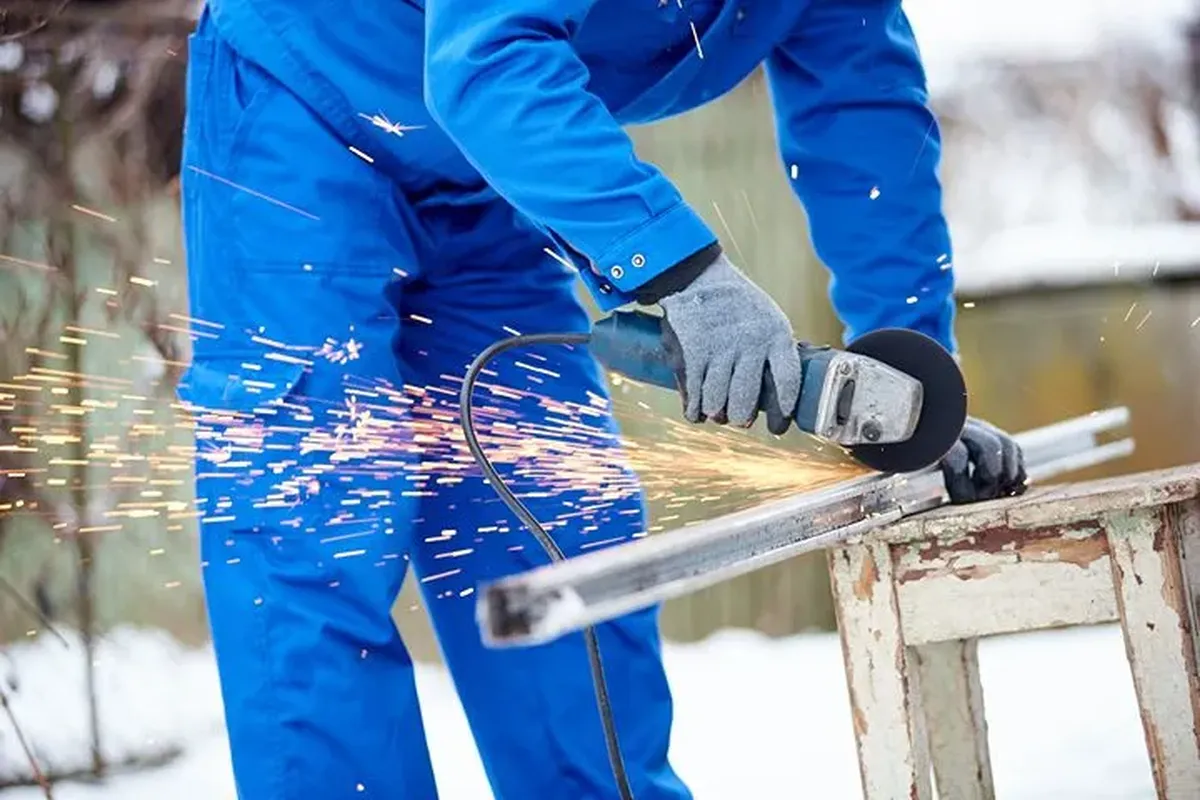
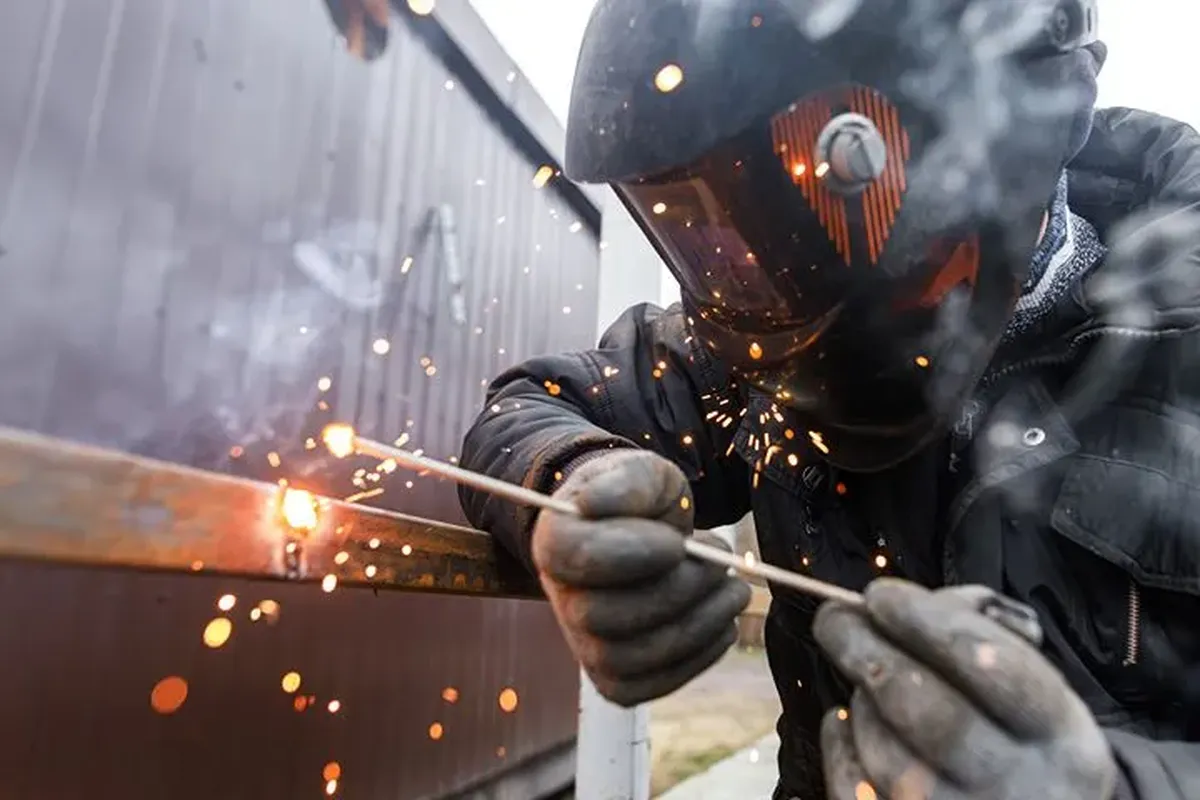
Flame retardant coveralls are essential PPE for any Irish worker exposed to flash fire, arc flash, or sustained flame risk. Choosing the right specification — inherently FR versus FR-treated, and the correct EN ISO 11612 performance code for the hazard — can make a significant difference in both protection and long-term cost. This guide explains what matters and what to look for.
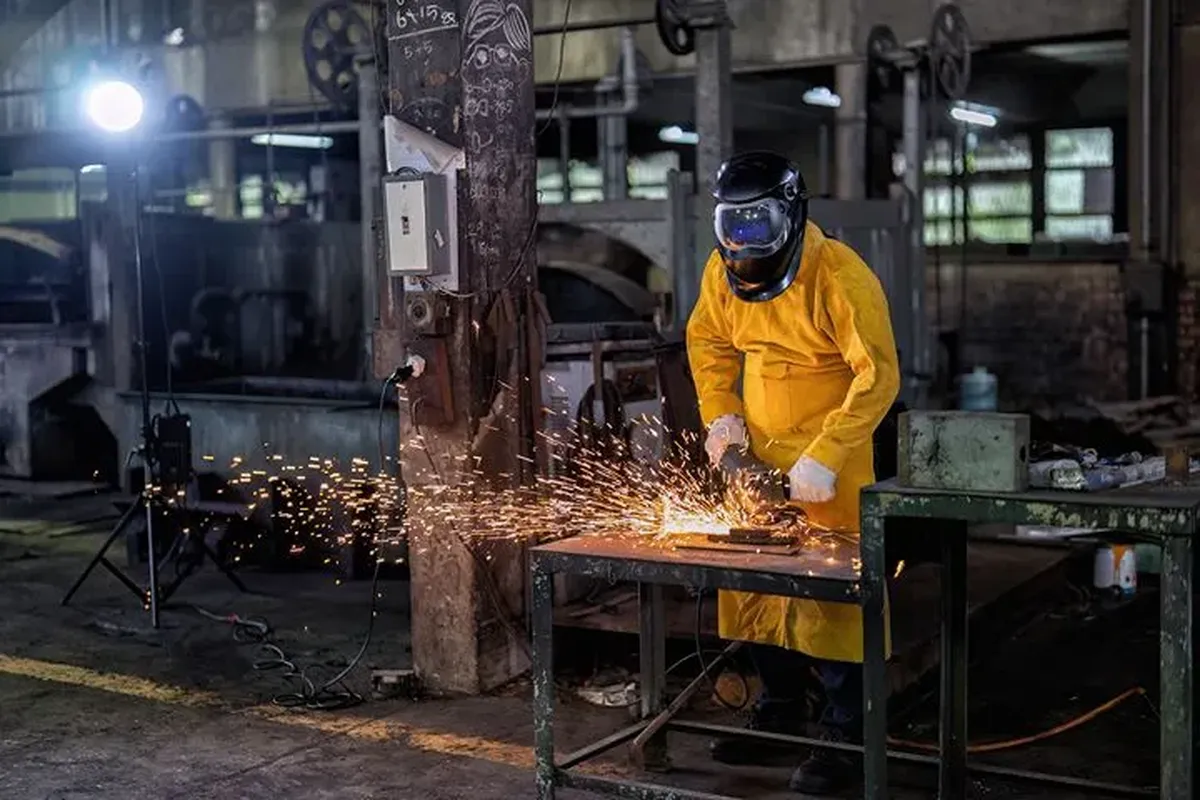
FR vs Inherently FR — A Critical Distinction
Not all flame retardant coveralls offer the same level of sustained protection:
| Type | How It Works | Wash Durability | Cost |
|---|---|---|---|
| FR-treated cotton | Chemical finish applied to standard cotton fabric | Degrades — 25–50 washes typically | Lower |
| Inherently FR (Nomex, Kevlar, modacrylic) | FR properties built into the fibre structure | Permanent — lasts life of garment | Higher upfront, better long-term value |
For occasional use or budget-constrained environments, FR-treated cotton is acceptable if wash cycles are tracked and garments replaced on schedule. For professional daily-wear applications, inherently FR materials are the correct specification and typically represent better value over a working life of 2–3 years.
EN ISO 11612 — Understanding the Performance Codes
CE-certified FR coveralls for heat and flame protection must meet EN ISO 11612. The standard uses a letter-code system to describe the specific hazards the garment has been tested against:
| Code | Hazard | Performance Levels |
|---|---|---|
| A1 / A2 | Limited flame spread | A1 = surface ignition, A2 = edge ignition |
| B | Convective heat | B1 (lowest) to B3 (highest) |
| C | Radiant heat | C1 to C4 |
| D | Molten aluminium splash | D1 to D3 |
| E | Molten iron splash | E1 to E3 |
| F | Contact heat | F1 to F3 |
A garment labelled EN ISO 11612 A1 B1 C1 provides basic flame spread, convective heat and radiant heat protection. A garment with higher codes — A1 A2 B2 C2 E2 for example — is appropriate for welding and environments with molten metal splash risk. Match the performance codes to the specific hazards in your risk assessment.
Who Needs FR Coveralls in Ireland?
| Sector | Hazard | Recommended Spec |
|---|---|---|
| Welding & fabrication | Spatter, arc, radiant heat | EN ISO 11612 + EN ISO 11611 dual cert |
| Oil, gas & utilities | Flash fire, hydrocarbon ignition | Inherently FR, EN ISO 11612 A1 A2 B C |
| Electrical workers | Arc flash | EN IEC 61482-2 arc flash rated (see arc flash guide) |
| Chemical plant | Flame + chemical splash | Multi-norm FR + chemical rating |
| Foundry / casting | Molten metal splash | EN ISO 11612 D & E codes rated |
Top FR Coverall Brands in Ireland
Portwest produce an extensive FR coverall range including their Bizflame series — inherently FR options in Nomex-blend and FR cotton. Widely available through Irish trade suppliers. Wenaas, Alsico and Fristads also produce well-regarded inherently FR coveralls available through specialist Irish PPE distributors. For oil and gas applications, multi-norm coveralls certified to EN ISO 11612, EN ISO 11611, EN IEC 61482-2 and EN 1149-5 (anti-static) are available from specialist suppliers — these single garments cover all major hazard classes in one specification.
Care and Maintenance of FR Coveralls
FR coveralls must be washed according to the manufacturer's care label. For inherently FR garments, standard industrial washing at the correct temperature maintains protection. For FR-treated garments, avoid fabric softeners, bleach and incorrect wash temperatures — all of which can degrade the FR treatment. Any garment contaminated with flammable substances such as fuel or oil must be decontaminated before use, as the contaminant can undermine the FR protection. Replace garments showing significant wear, holes, or damage to the fabric structure.
For arc flash specific requirements, see our dedicated arc flash coveralls guide.
Arc Flash Coveralls Guide →Frequently Asked Questions
FR-treated coveralls use chemical finishes that can wash out over time. Inherently FR coveralls — Nomex, Kevlar, modacrylic — have protection built into the fibre structure and retain it for the life of the garment. For professional sustained use, inherently FR is the better specification.
Workers exposed to flash fire, arc flash or sustained flame — welders, oil and gas workers, utilities workers, chemical plant operators, foundry workers. The HSA requires employers to carry out a risk assessment and provide appropriate PPE for these hazards.
Inherently FR coveralls retain properties for the life of the garment — 50–100 industrial washes or more. FR-treated cotton may lose protection after 25–50 washes. Always follow manufacturer care instructions and replace damaged or worn garments.
BodyArmour.ie
Ireland's independent guide to protective clothing and PPE. We cover personal protection, industrial workwear and safety clothing to help Irish buyers make informed decisions.