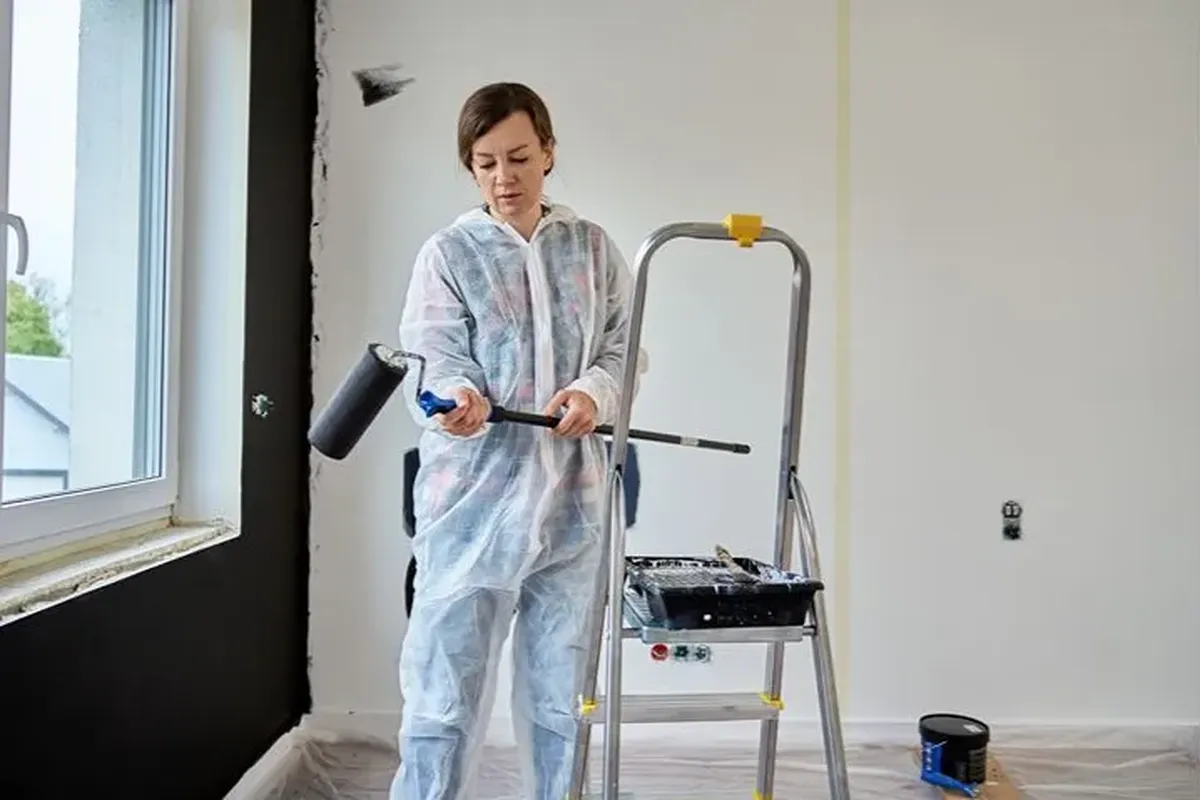
Painters coveralls are one of the most commonly purchased items of workwear in Ireland — used by professional decorators, construction painters and DIY homeowners alike. Choosing between disposable and reusable, understanding when CE certification matters, and knowing what is required for spray painting versus brush and roller work are the key decisions this guide addresses.

Disposable vs Reusable Painters Coveralls
The first decision for most Irish painters is whether to use disposable or reusable coveralls. Both have legitimate uses and many professional decorators use both depending on the job:
| Type | Best For | Pros | Cons |
|---|---|---|---|
| Disposable | Spray painting, one-off jobs, heavy contamination | No washing required, hygienic, CE certified options available | Less comfortable for full day, ongoing cost, waste |
| Reusable canvas | Day-to-day decorating, brush and roller work | Durable, comfortable, economical over time | Requires washing, not suitable for spray or chemical work |
| Reusable polycotton | General decorating, light trade work | Lightweight, easy care, widely available | Less durable than canvas, offers no chemical protection |
When Do Painters Need CE-Certified Coveralls?
For standard brush and roller work with water-based emulsion paints, general work coveralls without CE marking are perfectly adequate — the purpose is simply to protect clothing. However, CE-certified coveralls become necessary in several scenarios:
| Painting Scenario | CE Required? | Minimum Type |
|---|---|---|
| Brush/roller, water-based paints | No | General work coverall sufficient |
| Spray painting, water-based | Recommended | Type 6 (EN 13034) |
| Spray painting, solvent-based | Yes | Type 5/6 (EN 13982 / EN 13034) |
| Two-pack / isocyanate paints | Yes | Type 5 minimum + respiratory PPE |
| Lead paint removal | Yes | Type 5 (EN 13982-1) |
The Health and Safety Authority requires employers to carry out a risk assessment for painting work and provide appropriate PPE. For self-employed painters and decorators, the same duty of care applies to themselves. Solvent-based paints and two-pack systems in particular present significant health risks — dermal absorption of isocyanates is a recognised occupational hazard that appropriate coveralls significantly reduce.
Spray Painting Coveralls — What to Look For
For spray painting applications, a lint-free or anti-static coverall is strongly preferred to prevent fibres and particles contaminating the painted surface — particularly relevant for automotive and industrial spray work. Tyvek 400 is the most widely used spray painting coverall in Irish construction and industrial settings, offering a good balance of protection, comfort and cost. For automotive work, a dedicated anti-static spray suit is preferable.
Painters Coveralls vs Painters Overalls
Both terms appear in Irish searches. As with other coverall types, coveralls cover the full body including arms while overalls cover torso and legs only. For painting work, full coveralls are generally preferable — sleeve coverage prevents paint transfer onto arms and reduces skin contact with paints and solvents. See our complete coveralls guide for a full overview of all types.
What to Look for When Buying Painters Coveralls
| Factor | What to Check |
|---|---|
| CE type | Required for spray and chemical painting. Check for Type 5 or Type 6 certification on the label. |
| Lint-free | Essential for spray painting where surface finish quality matters. Tyvek and dedicated spray suits are lint-free by design. |
| Elasticated hood and cuffs | Reduces paint ingress and improves comfort. Useful for overhead work. |
| Zip quality | A covered zip prevents paint accumulation and makes the coverall more comfortable to wear against the neck and chest. |
| Knee reinforcement | For reusable coveralls, reinforced knees extend life significantly for anyone working close to the ground. |
Where to Buy Painters Coveralls in Ireland
Disposable painters coveralls are widely available from builders' merchants, decorating suppliers and hardware stores across Ireland. For professional-grade spray suits, specialist PPE suppliers and decorating trade suppliers offer the best selection. Portwest produce a competitively priced range of both disposable and reusable coveralls available through Irish trade accounts. For disposable options, buying in boxes of 25 or 50 offers better value for regular users. See our disposable coveralls guide for more on grades and types.
Frequently Asked Questions
For basic brush and roller painting with water-based paints, general work coveralls without CE marking are sufficient. For spray painting — particularly with solvent-based or two-pack paints — CE-certified Type 5 or Type 6 disposable coveralls are required. The HSA requires a risk assessment for painting work and appropriate PPE to be provided.
For spray painting with solvent-based or two-pack paints, a CE Type 6 certified disposable coverall is the minimum — Tyvek 400 is the most widely used option. For automotive spray work, a dedicated anti-static lint-free coverall is preferred to avoid surface contamination.
For spray painting and heavy contamination, disposable is more practical. For regular decorating with water-based paints, reusable canvas or polycotton is more economical over time. Many professionals use both depending on the job.
White is traditional and most common for painters in Ireland — paint splashes are visible against white, making it easier to assess contamination. Disposable painting coveralls are almost universally white. Reusable options are available in white, light grey and navy.
BodyArmour.ie
Ireland's independent guide to protective clothing and PPE. We cover personal protection, industrial workwear and safety clothing to help Irish buyers make informed decisions.